Are you tired of uncomfortable patio furniture that ruins your outdoor relaxation? Imagine sinking into soft, perfectly fitted cushions that you made yourself—designed exactly to match your style and comfort needs.
Creating your own patio furniture cushions isn’t as hard as you think, and it can save you money while giving your outdoor space a fresh, personalized look. In this guide, you’ll discover simple steps to craft cushions that not only look great but feel amazing every time you sit down.
Ready to transform your patio into the cozy retreat you deserve? Let’s get started!
Choosing The Right Materials
Making your own patio furniture cushions is fun and saves money. Picking the right materials helps your cushions last long.
Good materials keep cushions comfortable and strong outside. Choose fabrics and foam that fit your needs.
Fabric Options For Durability
Durable fabric protects cushions from wear and tear. Outdoor fabrics should handle sun, rain, and dirt well.
Look for fabrics that are thick and tightly woven. These last longer and resist fading.
- Acrylic fabric resists sunlight and dries fast
- Polyester fabric is strong and easy to clean
- Olefin fabric handles moisture and stains well
- Canvas fabric is heavy and very durable
Selecting Cushion Foam Types
Foam affects comfort and how cushions hold shape. Outdoor cushions need foam that resists water and mold.
Choose foam with good density for firm support. Open-cell foam drains water faster but can wear out quicker.
- High-density foam lasts longer and stays firm
- Open-cell foam is soft and drains water well
- Closed-cell foam repels water and resists mold
Waterproof And Uv-resistant Features
Waterproof materials stop water from soaking into cushions. This keeps them dry and prevents mold growth.
UV resistance helps fabric keep its color in the sun. Look for cushions with these features for long outdoor use.
- Waterproof coatings block rain and spills
- UV-resistant fabric slows down fading
- Breathable materials prevent trapped moisture

Credit: www.aosom.ca
Measuring And Cutting Fabric
Making your own patio furniture cushions starts with the right fabric size. Measuring and cutting fabric carefully helps the cushions fit perfectly.
Taking accurate measurements and cutting with the right tools keeps your fabric neat. This guide covers how to measure and cut fabric well.
Taking Accurate Measurements
Measure the cushion foam or base before cutting any fabric. Use a soft tape measure for best results.
Write down the length, width, and thickness. Add extra fabric for seams and tucking.
- Measure cushion length and width
- Note the thickness for side fabric
- Add 1 to 2 inches for seams
- Double-check measurements before cutting
Tools For Cutting Fabric
Choose sharp scissors or a rotary cutter designed for fabric. These tools make cutting easier and cleaner.
A cutting mat protects your work surface and helps measure lines. Use pins or fabric weights to hold fabric in place.
- Fabric scissors or rotary cutter
- Cutting mat
- Measuring tape or ruler
- Pins or fabric weights
Tips For Straight And Clean Cuts
Iron your fabric before cutting to remove wrinkles. This helps you cut straight lines easily.
Mark cutting lines with tailor’s chalk or a fabric marker. Cut slowly and follow the lines carefully.
- Press fabric flat with an iron
- Use a ruler for straight lines
- Mark lines clearly before cutting
- Cut slowly to avoid jagged edges
Sewing Basics For Cushions
Making your own patio furniture cushions can be fun and rewarding. Sewing is a key skill you need to create strong and neat cushions.
This guide covers basic sewing skills to help you finish your cushions well. You will learn simple stitches, sewing tools, and closure options.
Simple Stitch Techniques
Simple stitches hold fabric pieces together and shape your cushion covers. Basic stitches include straight stitch, backstitch, and slip stitch.
The straight stitch is good for seams and edges. Backstitch is stronger and works well for stress points. Slip stitch hides seams for a clean look.
- Straight Stitch:Sew straight lines quickly and evenly.
- Backstitch:Sew backward and forward for strong seams.
- Slip Stitch:Sew hidden stitches by hand for finishing.
Using A Sewing Machine Vs. Hand Sewing
Sewing machines make sewing faster and more even. They are great for straight seams and thick fabrics.
Hand sewing is useful for small details and repairs. It lets you sew in tight spots and add finishing touches.
- Sewing Machine:Faster, consistent stitches, good for large pieces.
- Hand Sewing:Slower, precise, best for corners and details.
Adding Zippers And Velcro Closures
Zippers and Velcro help you remove cushion covers for cleaning. Both closures are easy to sew with basic skills.
Zippers provide a clean look and secure closure. Velcro is quicker to install and works well for thick cushions.
- Zippers:Use a zipper foot on the sewing machine for neat sewing.
- Velcro:Sew one side on the fabric and the other on the flap.
- Check closure size to fit your cushion thickness.
Credit: handycrowd.medium.com
Creative Cushion Designs
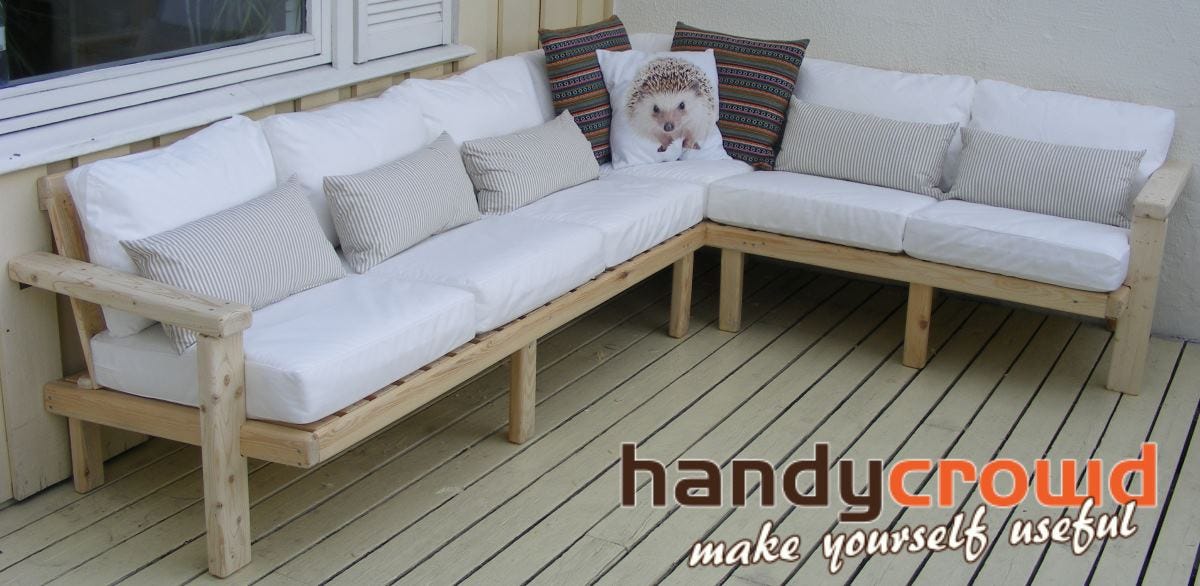
Making your own patio furniture cushions lets you create styles that fit your space. You can use different colors and shapes to match your outdoor area.
Creative designs make your patio look inviting and unique. You can change cushions anytime to refresh the look.
Mixing Patterns And Colors
Combining different patterns brings life to your patio cushions. Use stripes, florals, or solids for an interesting mix.
Choose colors that match your furniture and surroundings. Bold colors add energy, while soft colors create calmness.
- Pair large patterns with small prints
- Use two or three colors for balance
- Match colors with outdoor decor
Adding Decorative Elements
Decorative details make cushions stand out. Add buttons, tassels, or piping to give a finished look.
These small touches add charm and style. They also make your cushions feel more personal and cozy.
- Use contrast stitching for a bold look
- Add fabric-covered buttons
- Attach small tassels on corners
Customizing Shapes And Sizes
Make cushions that fit your furniture perfectly. Try round, square, or rectangular shapes to suit your needs.
Custom sizes help improve comfort and style. Measure your furniture before cutting fabric for the best fit.
- Use thick foam for extra comfort
- Design wedge cushions for angled chairs
- Create lumbar pillows for back support
Finishing Touches
Adding finishing touches to your DIY patio furniture cushions makes them look neat and last longer. Small details improve comfort and style.
Focus on stuffing, securing, and caring for your cushions. These steps help your cushions stay fresh and comfortable outside.
Stuffing Cushions Evenly
Stuff cushions evenly to avoid lumps and flat spots. Use small amounts of stuffing at a time and spread it out well.
Check the cushion edges and corners to keep a smooth shape. Fluff the stuffing before closing the cushion cover.
- Use polyester fiberfill or foam pieces
- Fill corners tightly for a full look
- Adjust stuffing to make cushions firm but soft
- Shake or pat cushions after stuffing
Securing Cushions To Furniture
Attach cushions firmly to prevent slipping or blowing away. Use ties, Velcro, or non-slip pads for better grip.
Place cushions evenly on seats and backs. Secure straps or ties around furniture legs or frames for stability.
- Use fabric ties sewn on cushion corners
- Apply Velcro strips under cushions and seats
- Try non-slip mats for extra hold
- Check attachments regularly and tighten if loose
Maintaining And Cleaning Tips
Keep cushions clean to extend their life. Brush off dirt and spot clean stains quickly.
Use mild soap and water for cleaning. Let cushions dry fully before putting them back outside.
- Brush off dust weekly
- Spot clean with gentle soap and water
- Air cushions out to prevent mildew
- Store cushions indoors during bad weather
Budget-friendly Shopping Tips
Making your own patio furniture cushions can save money. Choosing the right materials and tools helps keep costs low.
Use smart shopping tips to find affordable fabrics and supplies. This guide shares simple ways to save on your project.
Where To Find Affordable Materials
Look for budget fabrics at discount stores or online outlets. These places often sell quality materials for less.
Check clearance sections and sales at fabric shops. Buying in bulk can also lower the price per yard.
- Discount fabric stores
- Online fabric outlets
- Clearance and sale racks
- Wholesale bulk purchases
Repurposing Old Fabrics
Use old curtains, tablecloths, or clothes to make cushions. This saves money and reduces waste.
Wash and iron the fabric well before cutting. Choose materials that are strong and easy to clean.
- Old curtains and drapes
- Unused tablecloths
- Outgrown or damaged clothes
- Fabric scraps from past projects
Diy Tools On A Budget
Borrow or rent tools like sewing machines to save money. Use basic hand tools if you cannot get power tools.
Buy secondhand tools or look for tool swaps in your community. Simple tools can get the job done without extra cost.
- Borrow sewing machines and scissors
- Use hand needles and thread
- Buy used tools from thrift stores
- Look for local tool sharing programs
Safety And Comfort Considerations
Making your own patio furniture cushions can be fun and rewarding. Safety and comfort are key to enjoying your outdoor space.
Choosing the right materials and design helps keep cushions safe and cozy for everyone.
Choosing Non-toxic Materials
Select materials that do not release harmful chemicals. This protects your health and the environment.
Look for fabrics and foam labeled as non-toxic or free from harmful dyes and treatments.
- Use natural fibers like cotton or linen
- Choose foam without harmful flame retardants
- Avoid fabrics with strong chemical smells
- Check for certifications like OEKO-TEX Standard 100
Ensuring Proper Cushion Support
Good support helps you sit comfortably for long periods. It also protects your back and joints.
Pick foam with the right thickness and firmness for your patio furniture.
- Use high-density foam for lasting support
- Choose thickness between 3 to 5 inches
- Test softness before cutting foam
- Consider adding a layer of batting for extra comfort
Weatherproofing Your Cushions
Patio cushions face sun, rain, and wind. Weatherproofing keeps them dry and clean longer.
Use materials that resist water and fading to protect your cushions outside.
- Choose outdoor fabrics like solution-dyed acrylic
- Apply waterproof sprays to fabric surfaces
- Use quick-drying foam designed for outdoor use
- Store cushions indoors during bad weather
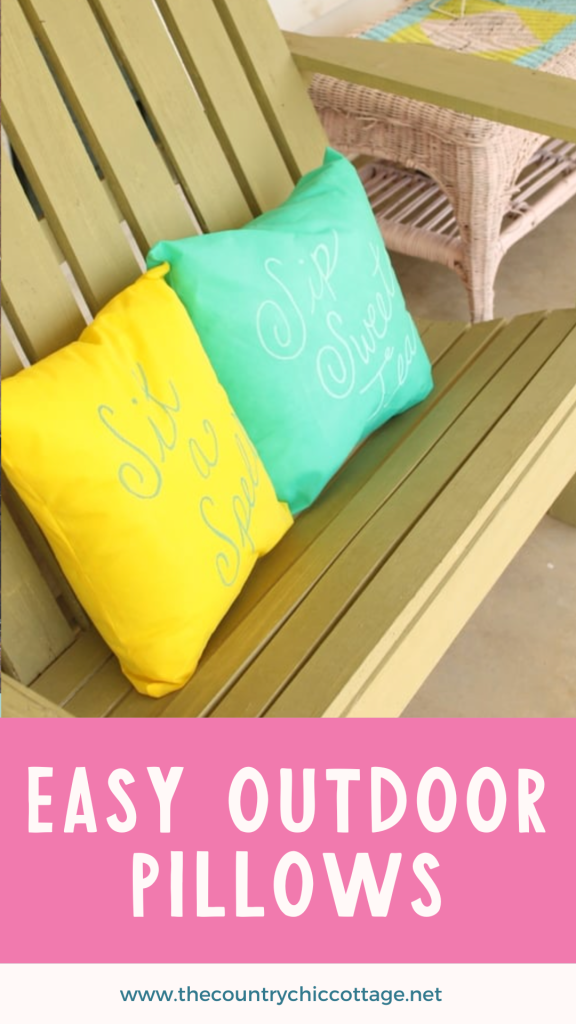
Credit: www.thecountrychiccottage.net
Frequently Asked Questions
How Do I Choose The Right Fabric For Cushions?
Choosing the right fabric is essential for durability and comfort. Opt for outdoor fabrics that resist fading and moisture. Materials like Sunbrella or polyester are great choices. They offer UV protection and are easy to clean. Always consider the climate and exposure of your patio area.
What Tools Do I Need To Make Patio Cushions?
To make patio cushions, you need a sewing machine, scissors, and measuring tape. A staple gun and fabric glue are also helpful. Don't forget quality outdoor fabric and foam. With these tools, you can craft durable and stylish cushions.
How Thick Should Patio Furniture Cushions Be?
Patio furniture cushions should be between 2 to 4 inches thick. This thickness provides comfort and support. Consider the type of furniture and usage when deciding. Thicker cushions are ideal for lounging, while thinner ones suit dining chairs.
Can I Wash My Patio Furniture Cushions?
Yes, most patio cushions are washable. Check the fabric label for washing instructions. Removable covers can usually be machine washed. For non-removable ones, spot cleaning is recommended. Regular cleaning helps maintain their appearance and longevity.
Conclusion
Making your own patio furniture cushions saves money and adds style. You control the colors, patterns, and fabric choice. The process is simple and fun to try. Handmade cushions fit your furniture perfectly every time. Enjoy cozy comfort and a fresh look outdoors.
Give it a go and see the difference yourself. Your patio will feel more inviting and personal. Creating cushions can become a relaxing hobby too. Start today and add charm to your outdoor space.