Are you thinking about buying a memory foam mattress but worried about what’s inside it? You might have heard that some mattresses contain fiberglass, and that can sound scary.
But do all memory foam mattresses have fiberglass? Knowing the truth can help you make a safer and smarter choice for your sleep and health. You’ll discover what fiberglass really is, why it’s used, and how to find a mattress that’s right for you—without any hidden surprises.
Keep reading to protect your sleep and peace of mind.

Credit: egohome.com
Fiberglass In Memory Foam Mattresses
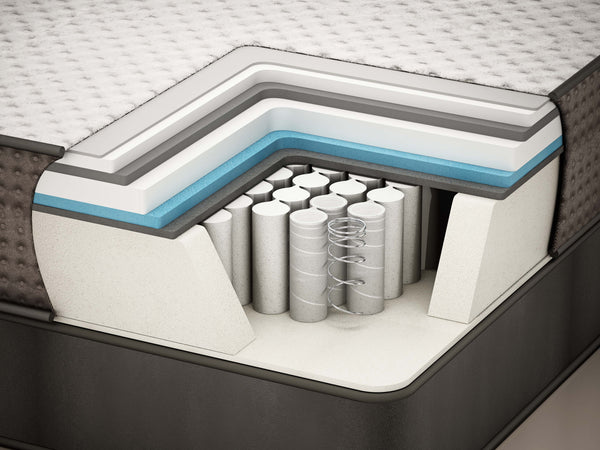
Many memory foam mattresses have fiberglass inside them. It is used as a fire barrier to keep the mattress safe. Fiberglass is a common material in mattress construction.
Some people worry about fiberglass in their mattresses. It is important to know why it is there and which mattresses have it.
Purpose Of Fiberglass Layers
Fiberglass acts as a fire-resistant layer inside mattresses. It helps prevent fires from spreading quickly. This layer meets safety rules set by law.
Without fiberglass, mattresses would need other fireproof materials. Fiberglass is thin and effective without adding much weight. It protects both the mattress and the user.
Common Mattress Types Containing Fiberglass
Fiberglass is mostly found in memory foam and hybrid mattresses. These types use it to meet fire safety standards. Innerspring mattresses may also have fiberglass layers.
- Memory foam mattresses often include fiberglass fire barriers.
- Hybrid mattresses combine foam and springs with fiberglass layers.
- Innerspring mattresses sometimes use fiberglass for fire resistance.
- Some budget mattresses rely on fiberglass instead of natural barriers.
Health Risks Of Fiberglass Exposure
Some memory foam mattresses contain fiberglass as a fire barrier. Fiberglass can break into tiny pieces that irritate the skin, eyes, and lungs. Exposure to fiberglass may cause discomfort and health problems.
It is important to know the risks of fiberglass exposure. This helps you protect yourself and your family from harm.
Symptoms Of Fiberglass Irritation
Fiberglass fibers can cause itching and redness on the skin. They may also irritate the eyes, causing them to water or feel itchy. Breathing in fiberglass dust can lead to coughing and throat discomfort.
- Skin rash or itchiness
- Red, watery, or itchy eyes
- Coughing or throat irritation
- Shortness of breath or chest tightness
Long-term Health Concerns
Long-term exposure to fiberglass may cause chronic lung problems. Tiny fibers can stay in the lungs and cause inflammation. This may lead to breathing difficulties over time.
There is also concern about fiberglass causing more serious health issues. Some studies suggest possible links to lung disease. It is best to avoid prolonged contact with fiberglass fibers.
Mattresses Without Fiberglass
Not all memory foam mattresses contain fiberglass. Fiberglass is used to meet fire safety rules. Some people want mattresses without this material.
Mattresses without fiberglass use other fire retardants. These options can be safer and less irritating for sensitive users.
Alternative Fire Retardant Materials
Many mattresses use natural or chemical fire retardants instead of fiberglass. These materials help stop fires without small glass fibers.
- Wool: A natural fiber that resists fire well.
- Modacrylic: A synthetic fiber that slows burning.
- Thermally treated cotton: Cotton treated to resist fire.
- Barrier fabrics: Special cloth layers that block fire.
- Bio-based fire retardants: Made from plants or minerals.
These materials provide fire safety without the risk of glass particles. They are often safer for skin and air quality.
Brands Offering Fiberglass-free Options
Several mattress brands make memory foam beds without fiberglass. They use safe fire barriers or natural fibers instead.
- Avocado Green Mattress: Uses organic wool and cotton fire barriers.
- PlushBeds: Uses natural wool as fire retardant.
- Naturepedic: Avoids fiberglass with organic fabrics.
- Birch: Uses wool and cotton layers for fire safety.
- Awara: Combines natural fibers to replace fiberglass.
These brands focus on eco-friendly and non-toxic materials. They suit people who want a fiberglass-free sleep surface.

Credit: www.mattressfirm.com
Identifying Fiberglass In Your Mattress
Some memory foam mattresses contain fiberglass as a fire barrier. Fiberglass can cause skin and eye irritation. Knowing how to spot fiberglass helps you stay safe.
Not all memory foam mattresses have fiberglass. But if your mattress does, it is important to identify it quickly. This guide shows signs of fiberglass and safe handling tips.
Signs Of Fiberglass Presence
Fiberglass in mattresses is often hidden inside the cover or fire barrier layer. Look for these signs to spot it early:
- Itchy skin or rashes after contact with the mattress
- Small glass-like fibers on sheets or mattress surface
- A sandy or gritty feeling when touching the mattress
- Visible fibers when the mattress cover is torn or removed
- An unusual chemical or plastic smell from the mattress
If you see or feel any of these signs, your mattress may contain fiberglass. Take care not to breathe in or touch the fibers directly.
Safe Handling Tips
Handling a mattress with fiberglass needs caution. Follow these tips to avoid irritation and injury:
- Wear gloves and long sleeves when touching the mattress
- Do not remove the mattress cover if you suspect fiberglass
- Avoid cutting or tearing the mattress cover
- Keep the mattress in a well-ventilated room
- Use a protective mattress encasement if possible
- Clean any loose fibers with a vacuum cleaner using a HEPA filter
- Wash hands and clothes after contact with the mattress
If you have a damaged mattress with fiberglass, consider contacting the manufacturer for advice. Proper care helps keep you safe from fiberglass irritation.
Consumer Safety Tips
Memory foam mattresses sometimes contain fiberglass. This material helps with fire resistance. It can irritate skin and lungs if exposed. Knowing how to stay safe is important.
Follow safety tips to protect yourself and your family. Learn how to care for your mattress and what to do if fiberglass gets on you.
Proper Mattress Maintenance
Keep your mattress covered with a good protector. This stops fiberglass from escaping. Avoid cutting or tearing the mattress cover.
Regularly check your mattress for damage. If you see holes or tears, avoid using it. Replace or repair the cover to prevent exposure.
- Use a thick mattress cover or encasement
- Do not remove or cut the mattress cover
- Keep pets and sharp objects away from the mattress
- Inspect the mattress cover often for any damage
- Clean the mattress surface gently with a vacuum
What To Do If Fiberglass Exposure Occurs
If fiberglass gets on your skin, avoid rubbing the area. This can push fibers deeper. Use tape or sticky tape to lift fibers off gently.
If you inhale fiberglass dust, move to fresh air right away. Wash your nose and mouth with water if possible. See a doctor if you have trouble breathing.
- Do not scratch or rub skin with fiberglass
- Use sticky tape to remove fibers from skin
- Wash exposed skin with cold water and mild soap
- Change and wash clothes to avoid spreading fibers
- Seek medical help if you have irritation or breathing problems

Credit: mlilyusa.com
Frequently Asked Questions
Do Memory Foam Mattresses Contain Fiberglass?
Not all memory foam mattresses contain fiberglass. Some manufacturers use fiberglass as a fire retardant. It's important to check the mattress specifications before purchasing. Many brands now offer fiberglass-free options to cater to consumer concerns about safety and comfort.
Why Is Fiberglass Used In Mattresses?
Fiberglass is used as a fire retardant in some mattresses. It helps meet flammability standards economically. This material prevents the spread of flames and protects consumers. However, some people prefer fiberglass-free options due to concerns about potential health risks.
How Can I Identify Fiberglass In A Mattress?
To identify fiberglass in a mattress, check the product label or specifications. Manufacturers often disclose materials used in production. Look for terms like "fiberglass" or "fire sock. " If unsure, contact the manufacturer directly for confirmation.
Are Fiberglass-free Mattresses Safe?
Yes, fiberglass-free mattresses can be safe. They use alternative materials for fire retardancy. These alternatives may include wool, cotton, or other natural fibers. Always verify the safety certifications and materials list before purchasing a mattress.
Conclusion
Not all memory foam mattresses contain fiberglass. Some brands use safe alternatives for fire resistance. Always check product details before buying. This helps avoid unwanted materials in your mattress. Choose trusted brands with clear information. Your health and comfort matter most.
Sleep well and stay safe every night.