Are you trying to find the right hospital bed mattress size but feel overwhelmed by all the options? Choosing the correct mattress size is crucial for your comfort and health.
The wrong size can lead to poor support and restless nights, which no one wants. You’ll discover exactly what size a hospital bed mattress should be and why it matters for you or your loved one. Keep reading to make sure you get the perfect fit that meets your needs and improves your recovery.

Credit: www.sondercare.com
Common Hospital Bed Mattress Sizes
Hospital bed mattresses come in various sizes to fit different beds. Choosing the right size is important for comfort and support.
This guide explains the common sizes, variations by bed type, and options for custom mattresses.
Standard Dimensions
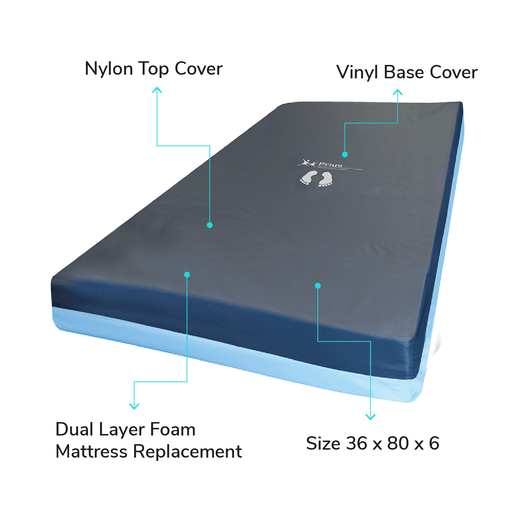
The most common hospital bed mattress size is 36 inches wide and 80 inches long. This fits most adult hospital beds.
Other standard widths include 32 inches and 35 inches, with lengths usually around 80 inches.
| Width (inches) | Length (inches) |
|---|---|
| 32 | 80 |
| 35 | 80 |
| 36 | 80 |
Variations By Bed Type
Different hospital bed types need different mattress sizes. For example, pediatric beds use smaller mattresses.
Electric and bariatric beds often require wider and longer mattresses for more support and comfort.
- Pediatric beds: 28-30 inches wide, 72 inches long
- Electric beds: 36 inches wide, 80-84 inches long
- Bariatric beds: 42-48 inches wide, 80-84 inches long
Custom Sizes
Sometimes, hospitals need mattresses in special sizes. Custom mattresses can fit unusual bed frames or patient needs.
These mattresses are made to exact width, length, and thickness measurements. This ensures a perfect fit.
- Widths from 28 to 48 inches or more
- Lengths from 72 to 90 inches or more
- Different thickness levels for comfort and support
Credit: medshopdirect.com
Factors Influencing Mattress Size Choice
Choosing the right hospital bed mattress size is important for patient care. Different factors affect this choice. These factors help ensure comfort and safety.
Understanding these factors helps caregivers pick the best mattress size. This guide explains key points to consider.
Patient Comfort And Support
Comfort is the top priority for hospital bed mattresses. The mattress size must support the patient's body well. Proper support helps prevent bedsores and pain.
A mattress that is too small limits movement. A mattress that is too big may not fit the bed frame properly. The right size offers comfort and pressure relief.
- Choose mattress length based on patient height
- Width should allow turning and repositioning
- Thickness affects pressure distribution and support
Bed Frame Compatibility
Mattress size must match the hospital bed frame exactly. Different bed models have specific size requirements. Using the wrong size mattress can cause safety issues.
Proper fit keeps the mattress stable. It also allows bed functions like raising the head or feet to work correctly.
- Check bed frame dimensions before buying mattress
- Standard hospital beds usually use 36" x 80" mattresses
- Specialty beds may require custom sizes
Medical Requirements
Medical needs affect mattress size choice. Some patients need mattresses with extra width or length. This supports medical devices or special care.
Infection control and pressure relief also influence mattress design and size. Some treatments require specific mattress types.
- Patients with casts may need wider mattresses
- Pressure ulcer prevention may require thicker mattresses
- Mattress size must allow medical equipment use
Materials And Comfort Options
Choosing the right hospital bed mattress is important for patient comfort. The materials used affect support and pressure relief.
Different mattress types offer various comfort options. These include foam, innerspring, and hybrid models.
Foam And Memory Foam Mattresses
Foam mattresses are lightweight and provide good pressure relief. Memory foam molds to the body for extra comfort.
Memory foam helps reduce pressure points and supports proper spinal alignment. It also absorbs movement well.
- Lightweight and easy to clean
- Good for pressure sore prevention
- Soft, contouring feel with memory foam
- Durable and long-lasting materials
Innerspring Mattresses
Innerspring mattresses have coils inside for support. They offer firm support and good air circulation.
The coil system helps keep the mattress from sagging. These mattresses are often more affordable than foam options.
- Strong support with steel coils
- Good airflow to keep mattress cool
- Firm feel preferred by some patients
- May be heavier to move
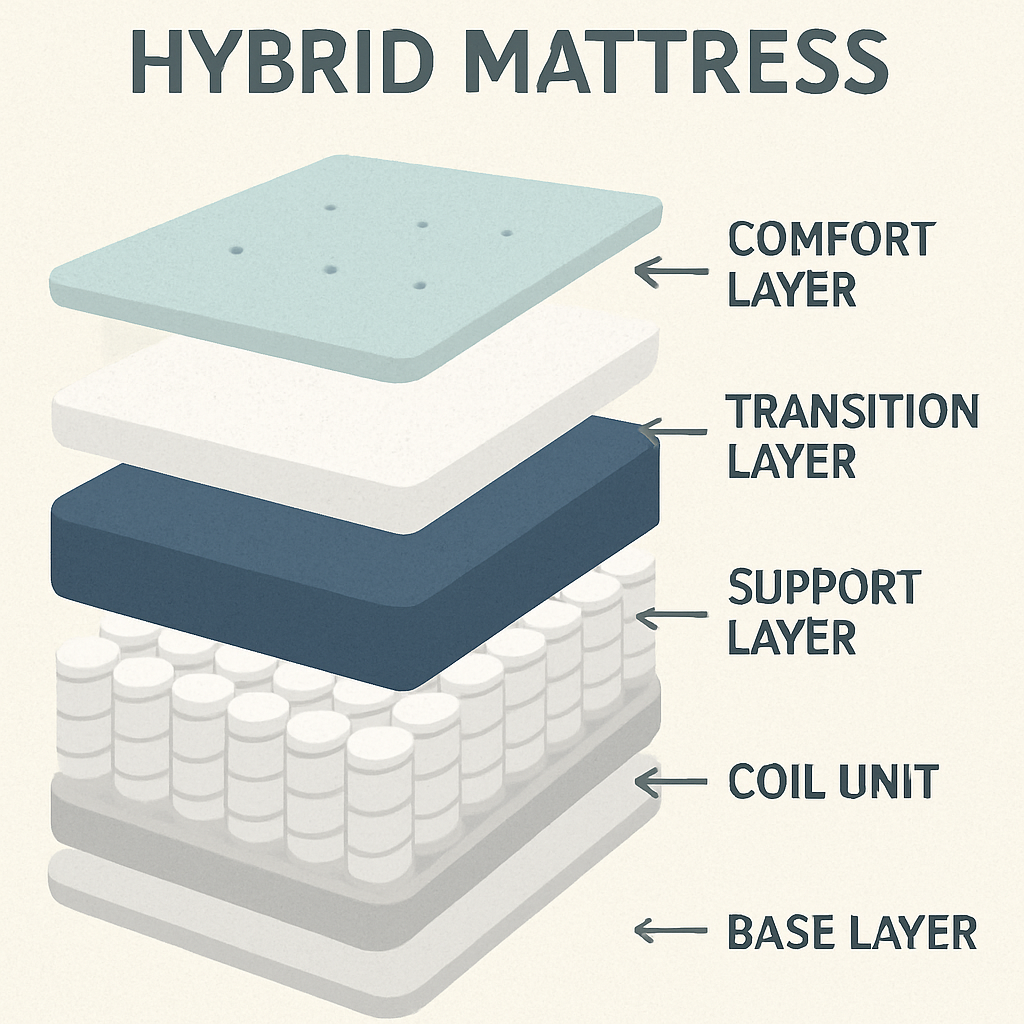
Hybrid Mattresses
Hybrid mattresses combine foam and innerspring layers. This mix provides both support and pressure relief.
They balance comfort and firmness well. Hybrid mattresses fit many patient needs and offer durability.
- Foam top layers for comfort
- Coil base for strong support
- Good pressure relief and stability
- Often more expensive than single-type mattresses
Measuring For The Right Fit
Finding the right size hospital bed mattress is important for comfort and safety. A mattress that fits well supports the patient and bed properly.
Measuring your hospital bed correctly helps you choose the perfect mattress size. This guide explains how to measure your bed and mattress.
How To Measure Your Hospital Bed
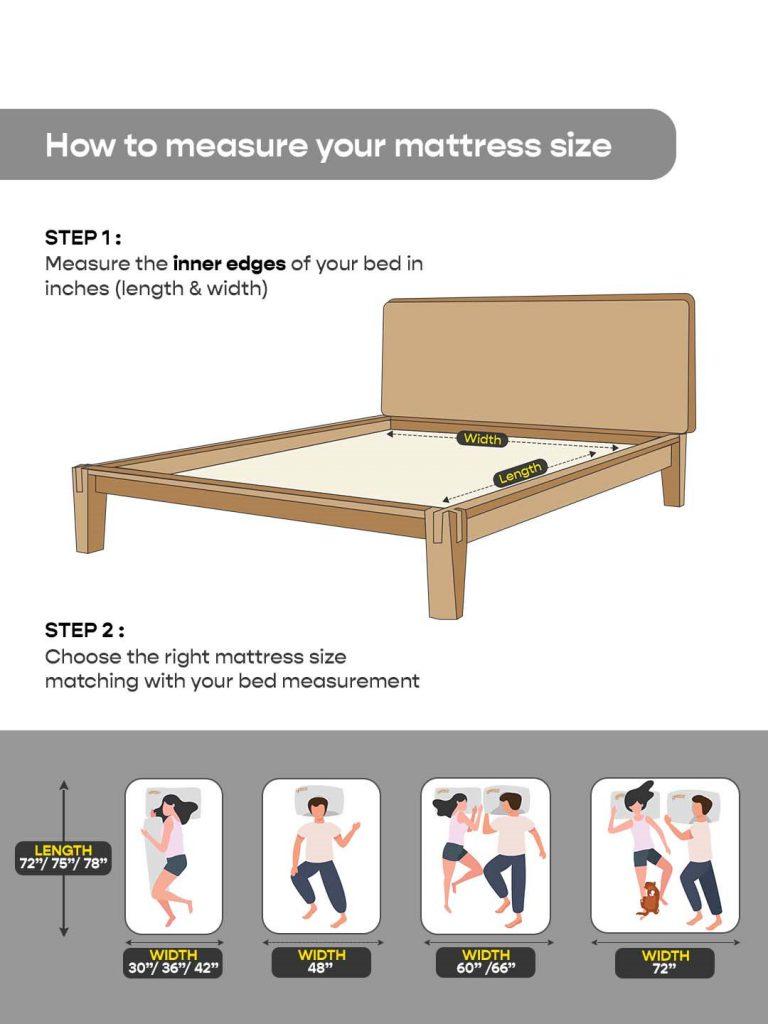
Start by measuring the length and width of the bed frame. Use a tape measure and record the numbers in inches or centimeters.
Measure from the inside edges of the bed rails. This gives the mattress size that fits inside the frame.
- Measure the bed’s length from head to foot rails
- Measure the width between the side rails
- Note any adjustable sections if the bed moves
Tips For Accurate Measurement
Measure twice to avoid mistakes. Use a firm tape measure that does not stretch or bend easily.
Ask for help if you need to hold the tape steady. Write down your measurements clearly to prevent confusion.
- Measure the bed frame, not the old mattress
- Check if the bed has side rails or guards
- Include any extra space needed for bedding
Checking Mattress Thickness
Mattress thickness affects comfort and bed fit. Measure the thickness of the current mattress or check the recommended size.
Hospital mattresses usually range from 4 to 8 inches thick. Thicker mattresses may need special bed frames or covers.
- Use a ruler or tape to measure mattress thickness
- Check for firmness and support levels
- Consider patient needs for pressure relief
Special Mattress Features
Hospital bed mattresses have special features to help patients feel better. These features improve comfort and safety during use.
Different mattresses offer unique benefits. Understanding these features helps in choosing the right mattress size and type.
Pressure Relief Technology
Pressure relief technology reduces stress on the skin and muscles. It helps prevent pressure sores and ulcers.
These mattresses use special foam or air cells to spread body weight evenly. This supports blood flow and skin health.
- Memory foam molds to the body shape
- Air mattresses adjust pressure points
- Gel layers provide extra cushioning
Adjustability And Flexibility
Adjustable mattresses fit the hospital bed frame movements. They bend to support sitting or lying positions.
Flexible mattresses help patients change positions easily. This improves comfort and reduces the risk of bedsores.
- Segmented foam layers allow bending
- Inflatable sections offer custom support
- Compatible with electric bed controls
Waterproof And Antimicrobial Covers
Waterproof covers protect the mattress from spills and fluids. This keeps the mattress clean and dry.
Antimicrobial covers stop bacteria and mold growth. They help maintain a healthy and hygienic surface.
- Easy to clean with wipes or sprays
- Durable materials resist tears and punctures
- Breathable fabrics improve air flow
Buying And Maintaining Hospital Mattresses
Choosing the right hospital bed mattress is important for comfort and health. Mattresses come in various sizes to fit different bed frames.
Proper care helps extend the mattress life and keeps it clean and safe for patients.
Where To Buy Quality Mattresses
Buy mattresses from stores that specialize in medical supplies. Check if the mattress fits your hospital bed size.
Look for mattresses with good reviews and reliable warranties. Ask about materials and pressure relief features.
- Medical supply stores
- Online retailers with medical products
- Hospital equipment suppliers
- Direct from mattress manufacturers
Cleaning And Care Tips
Clean your hospital mattress regularly to prevent germs and odors. Use mild soap and warm water for surface cleaning.
Protect the mattress with a waterproof cover to stop liquids from soaking in. Check covers for tears or leaks often.
- Wipe spills immediately
- Use disinfectant sprays safe for mattress materials
- Air out mattress to reduce moisture
- Rotate mattress every few months to avoid wear
When To Replace Your Mattress
Replace the mattress if it sags, feels uncomfortable, or has permanent stains. Old mattresses can cause pressure sores.
Check the mattress age and condition regularly. Most hospital mattresses last about 5 to 7 years with proper care.
- Visible sagging or lumps
- Unpleasant odors that do not go away
- Cracks or tears in the cover
- Loss of support or firmness

Credit: cnfure.en.made-in-china.com
Frequently Asked Questions
What Are The Standard Hospital Bed Mattress Dimensions?
Standard hospital bed mattresses are typically 36 inches wide and 80 inches long. Some variations exist for specific needs. Bariatric mattresses can be wider, up to 48 inches. It's essential to match the mattress size with the bed frame to ensure safety and comfort for patients.
Are Hospital Bed Mattresses Adjustable?
Yes, hospital bed mattresses are often adjustable to fit various bed positions. They are designed to work with adjustable hospital beds, allowing for head, foot, and height adjustments. This flexibility enhances patient comfort and aids in medical procedures, making them ideal for patient care environments.
What Materials Are Used In Hospital Bed Mattresses?
Hospital bed mattresses often use foam, innerspring, or air-filled materials. Foam is the most common, providing comfort and support. Innerspring mattresses offer firmer support, while air-filled options allow for adjustable firmness. The materials are chosen for durability, comfort, and ease of cleaning, ensuring hygiene in medical settings.
Can Hospital Bed Mattresses Fit Home Beds?
Hospital bed mattresses are designed for specific hospital bed frames. They may not fit standard home beds properly. If you need a hospital mattress at home, consider investing in an adjustable hospital bed frame. This ensures compatibility and provides the necessary support and adjustability for patient care.
Conclusion
Choosing the right hospital bed mattress size matters a lot. It helps patients rest well and stay comfortable. Standard sizes fit most beds, but some need special measurements. Always check the bed type before buying a mattress. A proper fit supports healing and makes care easier.
Remember, comfort and support go hand in hand. Knowing mattress sizes saves time and frustration. Now, you can pick the best mattress size with confidence. Simple steps lead to better patient care and comfort.