

Are you trying to find the perfect height for your counter stools? Choosing the right height can make all the difference in comfort and style.
Too tall or too short, and your seating won’t feel right. But don’t worry—this guide will help you understand exactly what height works best for your counter. Keep reading to discover simple tips that will transform your kitchen or bar area into a comfortable, inviting space you’ll love.
Credit: www.palecek.com
Standard Counter Stool Heights
Counter stools are a popular choice for kitchen islands and bars. Choosing the right height is key for comfort and style.
Standard counter stool heights fit most kitchen counters. Knowing the right height helps you pick the perfect stool.
Typical Measurements
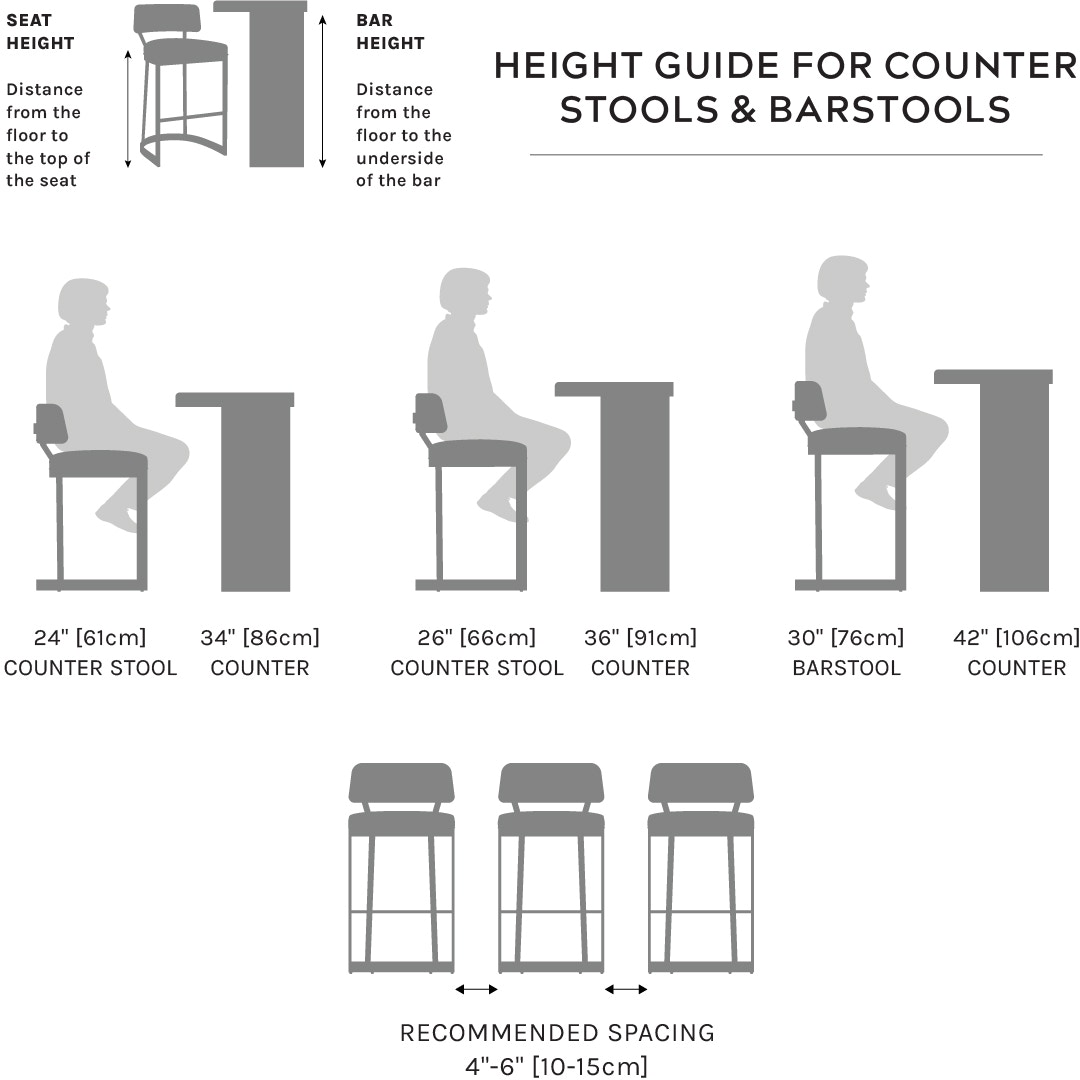
The standard counter height is usually around 36 inches. Stools made for this height range from 24 to 27 inches tall.
- Counter height: about 36 inches
- Standard stool height: 24 to 27 inches
- Seat height fits under the counter comfortably
- Footrests add extra comfort on taller stools
Matching Stool To Counter Height
Measure the counter height before buying stools. Leave 9 to 13 inches between the stool seat and the counter.
This space allows enough legroom and comfort for sitting. Choose stools with adjustable heights if possible.
| Counter Height | Recommended Stool Height |
|---|---|
| 34 to 36 inches | 24 to 27 inches |
| 37 to 39 inches | 28 to 30 inches |
Choosing The Right Stool Height
Picking the correct height for counter stools is key to comfort and style. The right height makes sitting easy and helps you use your counter better.
Counter stools come in different heights. Knowing which height fits your counter helps avoid discomfort and improves your space.
Comfort And Ergonomics
Comfort depends on how well the stool height matches your counter. If the stool is too tall or short, you may feel strain.
Good ergonomics mean your feet rest flat on the floor or a footrest. Your knees should bend at about a 90-degree angle.
- Allow 9 to 13 inches between stool seat and counter surface
- Keep your back straight while sitting
- Use stools with footrests for added support
User Height Considerations
Taller people need higher stools to keep comfort. Shorter users may need lower stools or cushions.
Think about who will use the stools most. Choose sizes that suit most users to avoid discomfort.
| User Height | Recommended Stool Height |
|---|---|
| Under 5'4" (163 cm) | 24 inches (61 cm) |
| 5'4" to 5'10" (163-178 cm) | 26 inches (66 cm) |
| Above 5'10" (178 cm) | 28 inches (71 cm) |
Types Of Counters And Stool Compatibility
Choosing the right height for counter stools depends on the type of counter you have. Different counters have different heights. This affects which stools fit best.
It is important to match the stool height with the counter height. This makes sitting comfortable and safe.
Kitchen Counters
Kitchen counters are usually 34 to 36 inches tall. They are lower than bar counters. Standard counter stools fit well here.
Counter stools for kitchen counters should have a seat height of 24 to 26 inches. This leaves enough leg room for sitting.
- Kitchen counter height: 34-36 inches
- Recommended stool seat height: 24-26 inches
- Good for casual dining and food prep
Bar Counters
Bar counters are taller, usually 40 to 42 inches high. They need taller stools to match their height. Bar stools work best here.
Choose bar stools with a seat height between 28 and 30 inches. This height fits well with bar counters and offers comfort.
- Bar counter height: 40-42 inches
- Recommended stool seat height: 28-30 inches
- Used in bars, home bars, and high tables
Island Counters
Island counters vary in height but are often 36 inches tall. They are similar to kitchen counters. Counter stools are usually a good fit.
For island counters, stools with seat heights of 24 to 26 inches work well. This allows a comfortable seating position.
- Island counter height: About 36 inches
- Recommended stool seat height: 24-26 inches
- Great for casual meals and socializing
Adjustable Vs Fixed Height Stools
Choosing the right height for counter stools is important for comfort and style. Two popular types are adjustable and fixed height stools.
Adjustable stools let you change the height, while fixed stools have one set height. Each type has its own benefits and uses.
Pros And Cons
Adjustable height stools offer flexibility. You can raise or lower the seat to fit different counters or users.
- Pro: Fits multiple counter heights
- Pro: Comfortable for various users
- Con: Usually more expensive
- Con: Moving parts can wear out
Fixed height stools are simple and sturdy. They have no moving parts and often last longer.
- Pro: Strong and durable
- Pro: Usually less costly
- Con: Not adjustable for different heights
- Con: May not fit all users comfortably
Best Use Cases
Adjustable stools work well in homes or spaces with different counter heights. They suit families or mixed users.
- Shared kitchens with multiple users
- Bars or cafes with varied seating
- Workspaces needing flexible seating
Fixed height stools are great for consistent counter heights. They fit well in places with a set design.
- Breakfast bars with standard height
- Commercial spaces with fixed counters
- Outdoor seating areas
Materials And Design Impact On Height
The height of counter stools depends on the materials used and their design. Different materials affect the seat thickness and overall height.
The design also changes the stool height by adding features like footrests or base styles. These factors affect comfort and usability.
Seat Thickness And Cushioning
Thicker seats raise the overall height of a counter stool. Cushions add extra height and comfort but change the measurement.
Materials like foam or gel padding provide softness but add to seat height. Hard seats like wood or metal are thinner.
- Foam cushions add about 2-4 inches
- Wood seats are usually thinner, around 1-2 inches
- Leather or fabric covers may add slight thickness
Base And Footrest Design
The base design affects how tall the stool feels. Some bases add height while others keep it low and stable.
Footrests add comfort and can slightly change the seat height measurement. Their placement affects leg support and posture.
- Metal bases often raise the stool higher
- Wooden bases may keep stools closer to the floor
- Footrest height varies but usually sits 6-12 inches below the seat
/filters:strip_exif()/media/catalog/product/bar/stools/counter/stools/202608131502071570.jpg)
Credit: www.povison.com
Measuring For Perfect Fit
Choosing the right height for counter stools makes sitting comfortable. Proper measurement helps you find stools that fit well with your counter.
Knowing how to measure counter height and stool height ensures a good match. It also improves your kitchen or dining area’s look and usability.
How To Measure Counter Height
Use a tape measure to find the distance from the floor to the top of your counter. Measure straight up, not at an angle.
Write down the height in inches or centimeters. Most counters are between 34 and 36 inches tall.
- Stand the tape measure on the floor
- Measure to the counter’s top edge
- Note the exact measurement
Determining Ideal Stool Height
Subtract about 10 to 12 inches from your counter height to find the right stool seat height. This gap allows enough legroom for comfort.
For example, if your counter is 36 inches tall, pick stools that are about 24 to 26 inches tall.
| Counter Height | Ideal Stool Seat Height |
| 34 inches | 22 to 24 inches |
| 36 inches | 24 to 26 inches |
| 38 inches | 26 to 28 inches |
Common Mistakes To Avoid
Choosing the right height for counter stools is important for comfort and style. Many people make simple mistakes that affect how stools fit with their counters.
Knowing what to avoid can help you pick stools that work well in your space. Let’s look at common errors related to stool height.
Too Tall Or Too Short Stools
Stools that are too tall make sitting uncomfortable. Your legs may dangle without support. This causes strain on your legs and back.
Stools that are too short force you to bend over the counter. This can cause bad posture and make eating or working hard.
- Ideal counter stool height is usually 24 to 27 inches.
- Measure your counter height before buying stools.
- Leave about 10-12 inches between the stool seat and the counter.
Ignoring Footrest Space
Footrests give your feet a place to relax. Without enough space, your feet may hang awkwardly. This causes discomfort during long sitting.
Some stools lack footrests or have ones placed too high or too low. This makes it hard to sit properly and enjoy your time at the counter.
- Check if the stool has a sturdy footrest.
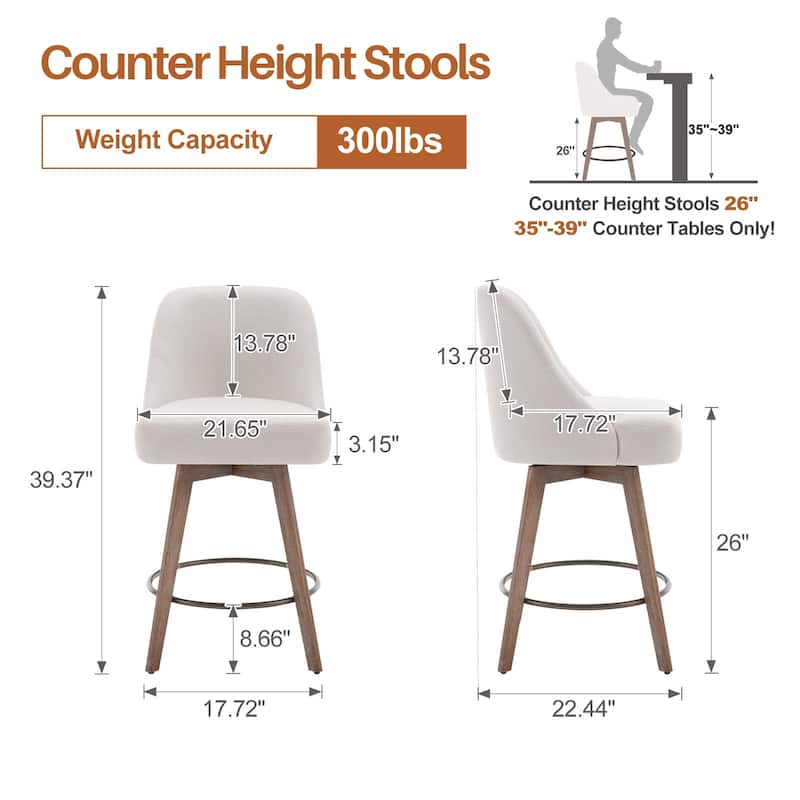
- Footrests should be about 7-9 inches from the floor.
- Make sure your feet can rest flat and comfortably.
Credit: www.overstock.com
Frequently Asked Questions
What Is The Standard Height For Counter Stools?
The standard height for counter stools is 24 to 27 inches. This height fits counters that are 34 to 36 inches tall, providing comfortable seating for most users.
How To Measure Counter Stool Height Correctly?
Measure the distance from the floor to the counter surface. Subtract 9 to 13 inches to find the ideal stool seat height for comfort.
Can Counter Stools Fit Different Counter Heights?
Yes, counter stools come in adjustable and fixed heights. Choose stools that match your counter height for ergonomic seating.
Why Is Counter Stool Height Important?
Proper stool height ensures comfort and good posture. It helps avoid strain while sitting and makes your kitchen more functional.
Conclusion
Choosing the right height for counter stools makes sitting comfortable. A good fit helps you reach the counter easily. Most counter stools range from 24 to 27 inches tall. Measure your counter height before buying stools. This ensures the stools match well and feel right.
Proper height improves your kitchen or bar experience. Remember, comfort matters more than style alone. Take time to pick stools that suit your space. This simple step makes a big difference in daily use.


