Your patio furniture cushions add comfort and style to your outdoor space. But when the seasons change, storing them properly is key to keeping them looking fresh and lasting longer.
If you’ve ever pulled out soggy, faded, or moldy cushions, you know how disappointing that can be. In this guide, you’ll discover simple, effective ways to protect your cushions from the elements and damage. Follow these tips, and you’ll save time, money, and frustration—making your next outdoor gathering more enjoyable than ever.
Ready to learn how to keep your cushions in great shape? Let’s dive in.

Credit: www.amazon.ca
Choosing The Right Storage Spot
Storing patio furniture cushions properly helps keep them clean and dry. Picking the right place protects them from damage.
Consider where you will store the cushions to avoid mold, fading, and wear. The right spot makes cushions last longer.
Indoor Vs Outdoor Storage
Indoor storage keeps cushions safe from rain and dirt. It is the best choice to prevent moisture damage.
Outdoor storage is easier but risks sun and weather damage. Use waterproof covers if you store cushions outside.
- Indoor storage: dry basement, closet, or garage
- Outdoor storage: covered porch or waterproof bin
- Use plastic bins or bags to keep dust away
Temperature And Humidity Considerations
Keep cushions in a place with stable temperature. Avoid spots that get very hot or very cold.
High humidity can cause mold and mildew. Choose a dry area to store cushions safely.
- Ideal storage: cool and dry
- Avoid damp basements and hot attics
- Use silica gel packs to reduce moisture
Avoiding Direct Sunlight
Sunlight fades cushion colors and weakens fabric. Store cushions away from windows and bright light.
Pick a shaded or dark place to keep cushions looking new. This helps prevent damage from UV rays.

Credit: www.fishpools.co.uk
Cleaning Cushions Before Storage
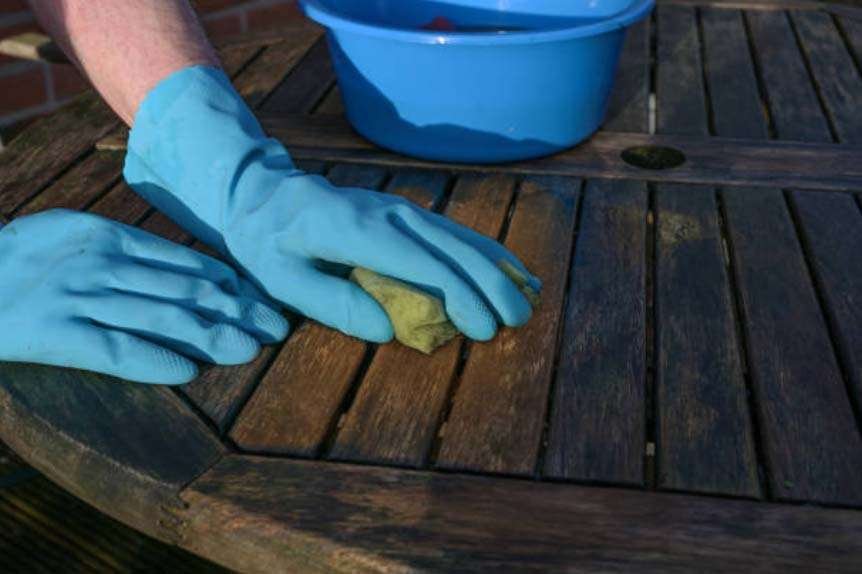
Cleaning your patio furniture cushions before storing them helps keep them fresh. Dirt and stains can cause damage if left on the fabric.
Proper cleaning also prevents mold and bad odors. Follow simple steps to clean cushions well before putting them away.
Removing Dirt And Debris
Start by removing loose dirt and debris from the cushions. This stops dirt from embedding into the fabric during washing.
Use a soft brush or vacuum cleaner with a brush attachment. Pay attention to seams and corners where dirt collects.
- Brush off loose dirt gently
- Vacuum all cushion surfaces
- Check under and around seams
Washing Techniques
Wash cushions according to the care label instructions. Most can be hand washed or machine washed on a gentle cycle.
Use mild detergent and cold water. Avoid harsh chemicals that can damage the fabric or colors.
- Remove cushion covers if possible
- Use mild detergent only
- Wash in cold or lukewarm water
- Choose gentle or delicate cycle for machines
- Hand wash stubborn stains carefully
Drying Methods
Dry cushions fully before storing to prevent mold and mildew. Avoid direct sunlight to keep colors from fading.
Air dry cushions flat on a clean surface. Flip them occasionally to dry both sides evenly.
- Dry cushions in a shaded, well-ventilated area
- Lay cushions flat to keep shape
- Turn cushions during drying for even airflow
- Ensure cushions feel completely dry before storage
Protecting Cushions From Damage
Patio furniture cushions need proper care to last longer. Storing them correctly helps keep them safe from wear and tear.
Damage can come from weather, pests, or moisture. Taking simple steps can protect your cushions well.
Using Waterproof Covers
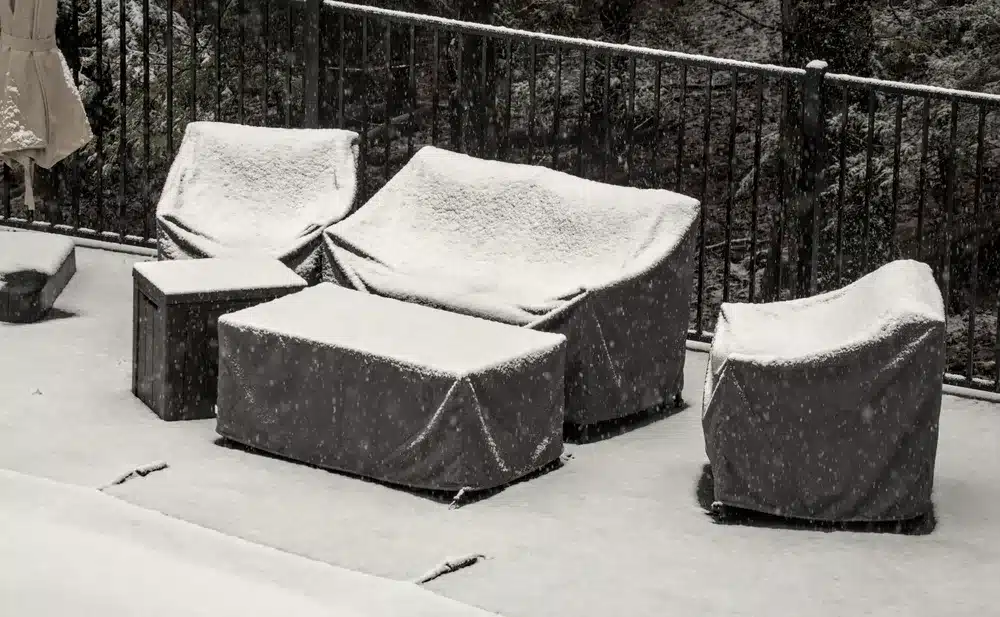
Waterproof covers stop rain and snow from soaking your cushions. They keep water out and prevent damage.
Choose covers that fit well and are made of strong materials. Make sure to remove the cushions and dry them before covering.
Pest Prevention Tips
Pests like insects and rodents can chew or nest in cushions. Preventing pests helps keep cushions clean and intact.
Store cushions in sealed containers or bags. Keep the storage area clean and dry to avoid attracting pests.
- Use airtight plastic bins for storage
- Keep food and trash away from cushions
- Check cushions regularly for signs of pests
- Use natural repellents like cedar chips if needed
Avoiding Mold And Mildew
Mold and mildew grow in damp places. They can ruin cushions and cause bad smells.
Always dry cushions fully before storing. Store them in a cool, dry place with good air flow.
- Air cushions outside after use
- Use moisture absorbers in storage areas
- Clean cushions regularly to remove dirt
- Check for damp spots and dry immediately
Proper Cushion Arrangement
Storing patio furniture cushions correctly helps keep them in good shape. Proper arrangement prevents damage and extends their life.
Organizing cushions well makes it easier to find and use them next season. It also saves space in your storage area.
Stacking Tips To Prevent Deformation
Stack cushions flat to avoid bending or warping. Place heavier cushions on the bottom and lighter ones on top.
Use a soft cloth or foam between cushions to protect their shape. Avoid pressing or squeezing cushions tightly together.
- Stack cushions flat, not leaning
- Put heavier cushions at the bottom
- Place soft padding between cushions
- Do not overpack or compress stacks
Using Storage Bins Or Bags
Use plastic bins or fabric bags to keep cushions clean and dry. Choose breathable bags to stop mold and mildew growth.
Make sure bins are large enough to avoid squishing cushions. Seal bins tightly to protect from dust and pests.
- Choose breathable storage bags for airflow
- Use large bins to avoid squashing cushions
- Seal bins to keep out dust and bugs
- Store bins in a cool, dry place
Labeling For Easy Access
Label bins or bags clearly with cushion type and location. This helps you find what you need quickly next time.
Use waterproof markers or printed labels. Attach labels where they are easy to see without opening containers.
- Write cushion type on each container
- Include size or furniture set if needed
- Use waterproof labels or markers
- Place labels on top or front of bins
Seasonal Maintenance
Proper care of patio furniture cushions keeps them looking fresh. Storing cushions well during off-seasons protects them from damage.
Seasonal maintenance extends the life of your cushions. Follow simple steps to keep them clean and ready to use.
Regular Inspection
Check cushions often for signs of wear or damage. Look for tears, stains, or mildew to catch problems early.
Inspect zippers and seams to ensure they are intact. Fix small issues before storing to avoid bigger repairs later.
Spot Cleaning During Storage
Clean any spots or stains as soon as you find them. Use mild soap and water to gently remove dirt.
Dry cushions fully before putting them away. Moisture can cause mold and bad smells during storage.
- Use a soft cloth or sponge
- Avoid harsh chemicals
- Allow cushions to air dry completely
Refreshing Cushions Before Use
Take cushions out of storage a few days before use. Let them air out to remove any musty smells.
Fluff cushions to restore shape and comfort. You can also lightly vacuum to remove dust and debris.
Long-term Storage Solutions
Storing patio furniture cushions properly keeps them clean and safe. Long-term storage prevents damage from moisture, dirt, and pests.
Choosing the right storage method helps cushions last for many seasons. Here are some effective options for long-term storage.
Vacuum Sealing Benefits
Vacuum sealing removes air from cushion bags. This reduces space and protects cushions from moisture and dust.
Sealed cushions stay dry and clean, preventing mold and mildew growth during storage.
- Saves storage space by compressing cushions
- Keeps cushions dry and free from mold
- Protects against dust and insects
Climate-controlled Storage Options
Climate-controlled storage keeps cushions at steady temperatures and humidity. This stops damage from extreme heat or cold.
These storage units reduce the risk of fabric fading and material breakdown over time.
- Maintains consistent temperature and humidity
- Prevents fabric and foam deterioration
- Protects against pests and dust
Professional Storage Services
Professional storage services offer safe places to keep cushions. They handle cleaning, packing, and storing for you.
These services often include climate control and pest protection to keep cushions in top shape.
- Expert cleaning and packing
- Climate-controlled storage units
- Pest and moisture protection
- Convenient pickup and delivery
Credit: blog.storage.com
Frequently Asked Questions
How Do I Protect Patio Cushions From Rain?
To protect patio cushions from rain, use waterproof covers or store them in a dry place. A storage box is ideal for keeping them safe. Additionally, consider using water-resistant sprays to enhance their durability against moisture.
Can I Leave Patio Cushions Outside In Winter?
Leaving patio cushions outside in winter is not recommended. Cold temperatures and snow can damage fabric and padding. Instead, store them indoors or in a weatherproof storage box to prolong their lifespan.
How Often Should I Clean Patio Cushions?
Clean patio cushions every few weeks during regular use. Use mild soap and water to remove dirt and stains. Regular cleaning prevents mold and mildew buildup, keeping your cushions fresh and extending their life.
Are There Special Storage Bags For Patio Cushions?
Yes, there are special storage bags designed for patio cushions. These bags are waterproof and breathable, protecting against moisture and dust. Using them ensures your cushions remain in good condition during off-seasons.
Conclusion
Storing patio furniture cushions properly keeps them clean and lasts longer. Choose a dry, cool place away from sunlight and moisture. Use storage bags or bins to protect cushions from dust and pests. Always clean cushions before storing to avoid mold and stains.
Regular care saves money and keeps your outdoor space cozy. Small steps make a big difference in cushion care. Enjoy your patio furniture season after season with simple storage habits.