

Is your office chair suddenly sinking every time you sit down? It can be frustrating and disrupt your focus, making even simple tasks uncomfortable.
You deserve a chair that supports you properly, so you can stay productive and pain-free. You’ll discover easy and effective ways to stop your office chair from sinking. Keep reading to regain control over your comfort and get back to work without distractions.
Why Office Chairs Sink
Office chairs can start to sink after some time of use. This means the chair lowers without you pressing the lever.
This problem happens because of worn parts inside the chair’s height adjustment system.
Common Causes
The main cause of a sinking chair is a broken or worn gas lift cylinder. This part holds the chair up.
Other causes include damaged locking mechanisms or loose parts that fail to hold the chair’s height.
- Worn-out gas lift cylinder
- Faulty height adjustment lever
- Loose or damaged locking parts
- Broken or worn seals inside the cylinder
Signs Of A Sinking Chair
You may notice the chair slowly lowers while you sit or after you get up. This is a clear sign.
Other signs include uneven height changes or sudden drops when you sit down.
- Chair lowers without using the lever
- Height changes unevenly or suddenly
- Difficulty keeping the chair at one height
- Noise or movement when sitting down

Credit: www.amazon.ca
Quick Fixes For Sinking Chairs
Office chairs can start to sink after some time. This problem makes sitting uncomfortable. Fixing it is often easy and fast.
Try these simple ways to stop your chair from sinking. You do not need special tools or skills.
Adjusting The Gas Cylinder
The gas cylinder controls the chair height. Sometimes it loses pressure and causes sinking. You can adjust or replace it to fix this.
Check if the cylinder has a release lever. Move the lever to reset the height. If it still sinks, the cylinder may need replacement.
Using A Seat Height Lock
Some chairs have a seat height lock. This lock stops the chair from moving up or down. Use it to keep your chair at the right height.
If your chair does not have a built-in lock, you can buy a clamp or collar. Place it around the cylinder to stop sinking.
- Locate the seat height lock lever
- Engage the lock to fix the height
- Use a clamp for chairs without a lock
Tightening Loose Components
Loose parts can cause your chair to sink. Check screws, bolts, and connectors under the seat. Tighten them with a screwdriver or wrench.
Regularly tightening these parts helps keep your chair stable. It also stops unwanted movement that leads to sinking.
- Look under the seat for loose screws
- Use the right tool to tighten each part
- Test the chair after tightening
Replacing The Gas Lift Cylinder
Office chairs often sink due to a worn-out gas lift cylinder. Replacing this part can fix the problem. It is a simple and cost-effective way to restore your chair’s height adjustment.
This guide explains how to choose the right replacement and how to replace the gas lift cylinder step-by-step.
Choosing The Right Replacement
Find a gas lift cylinder that fits your chair model. Check the size and weight limit before buying. Using the wrong part may cause damage or fail to fix the sinking.
Look for the following details when selecting a replacement:
- Length and diameter of the cylinder
- Weight capacity matching your chair and user
- Gas pressure rating for smooth height changes
- Compatibility with your chair’s base and seat
Step-by-step Replacement Guide
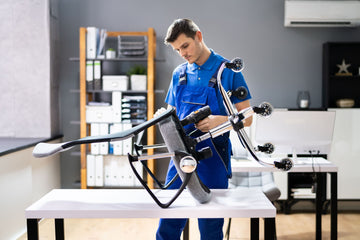
Prepare your tools before starting. You need a rubber mallet, screwdriver, and gloves. Work on a flat surface for safety and ease.
Follow these steps to replace the gas lift cylinder:
- Turn the chair upside down and remove the base with casters.
- Use a screwdriver or wrench to detach the old cylinder from the seat and base.
- Tap the old cylinder gently with a rubber mallet to loosen it if stuck.
- Insert the new gas lift cylinder into the base securely.
- Place the chair seat back on top of the new cylinder.
- Test the height adjustment to ensure it works smoothly.

Credit: www.amazon.ca
Temporary Solutions To Prevent Sinking
Office chairs can start to sink over time. This happens when the gas lift inside the chair wears out.
You can fix this issue temporarily with simple tools. These fixes help you keep the chair height stable.
Using Pvc Pipe Or Cardboard
Cut a piece of PVC pipe or thick cardboard to fit around the chair’s gas lift. Slide it between the seat and the base.
This acts as a spacer. It stops the chair from sinking lower than the pipe or cardboard height.
- Measure the current height you want to keep.
- Cut the pipe or cardboard slightly shorter than this height.
- Slide it carefully on the gas lift.
- Check the chair for stability before use.
Adding A Clamp Or Collar
Use a metal or plastic clamp around the gas lift tube. Tighten it to hold the chair at a fixed height.
This prevents the inner tube from sliding down. It keeps the chair from sinking during use.
- Find a clamp that fits the gas lift tube size.
- Place it at the height you want to keep.
- Tighten the clamp firmly but not too tight.
- Test the chair by sitting and adjusting gently.
Maintaining Your Office Chair
Office chairs can start to sink if they are not cared for. Regular maintenance helps keep them stable and comfortable.
Simple checks and care can stop your chair from sinking and extend its life.
Regular Inspections
Check your office chair often to spot problems early. Look for signs of wear or damage on the gas lift and base.
Inspect the seat height lever and test if the chair holds its position when you sit.
- Look for oil leaks on the gas cylinder
- Check if the chair sinks after sitting
- Test the height adjustment lever
- Inspect the base for cracks or damage
Lubrication Tips
Lubricate moving parts to keep the chair working smoothly. Use a spray lubricant on the gas lift and adjustment parts.
Do not over-lubricate. A small amount is enough to reduce friction and noise.
- Use silicone spray or light machine oil
- Apply lubricant to the gas cylinder and lever joints
- Wipe off any excess to avoid dirt buildup
- Lubricate every few months for best results
When To Seek Professional Help
If your chair keeps sinking after basic care, it might need expert repair. A professional can replace the gas lift or other parts.
Do not try to fix complex parts yourself. Wrong repairs can cause injury or damage.
- Chair sinks quickly after adjustment
- Gas cylinder shows visible damage or leaks
- Height lever does not respond
- Chair wobbles or feels unstable
Credit: www.odinlake.com
Frequently Asked Questions
Why Does My Office Chair Keep Sinking?
Your office chair may sink due to a faulty pneumatic cylinder. This cylinder controls the chair's height adjustment. Over time, wear and tear can cause it to malfunction. Replacing the cylinder or using a temporary fix like a chair saver kit can help stop the sinking.
How Do I Fix A Sinking Office Chair?
To fix a sinking chair, first try tightening the chair's adjustment lever. If that fails, consider using a plastic spacer or a chair saver kit. For a permanent solution, replacing the pneumatic cylinder is recommended.
Can A Chair Cylinder Be Replaced Easily?
Yes, replacing a chair cylinder is a straightforward process. You need basic tools like a pipe wrench and a replacement cylinder. Follow step-by-step online guides or instructions provided with the new cylinder for a hassle-free replacement.
Are There Temporary Solutions For A Sinking Chair?
Yes, temporary solutions include using PVC pipes or hose clamps to support the chair's cylinder. These methods provide short-term relief by preventing the chair from sinking until a permanent fix, like cylinder replacement, is applied.
Conclusion
Stopping your office chair from sinking is simple and quick. Check the gas lift and tighten any loose parts. Replace worn-out components to keep your chair steady. Regular care helps your chair last longer. A stable chair improves comfort and focus.
Small fixes save money and avoid frustration. Take action today for a better sitting experience.


