

Are you looking to give your high back dining chair a fresh, new look without spending a fortune? Reupholstering your chair can transform it from worn-out to wow in just a few simple steps.
Imagine sitting down in a chair that feels as good as it looks—customized to your style and comfort. In this guide, you’ll discover how to take your old chair and turn it into a stunning centerpiece for your dining room.
Ready to get started and impress everyone with your DIY skills? Let’s dive in!
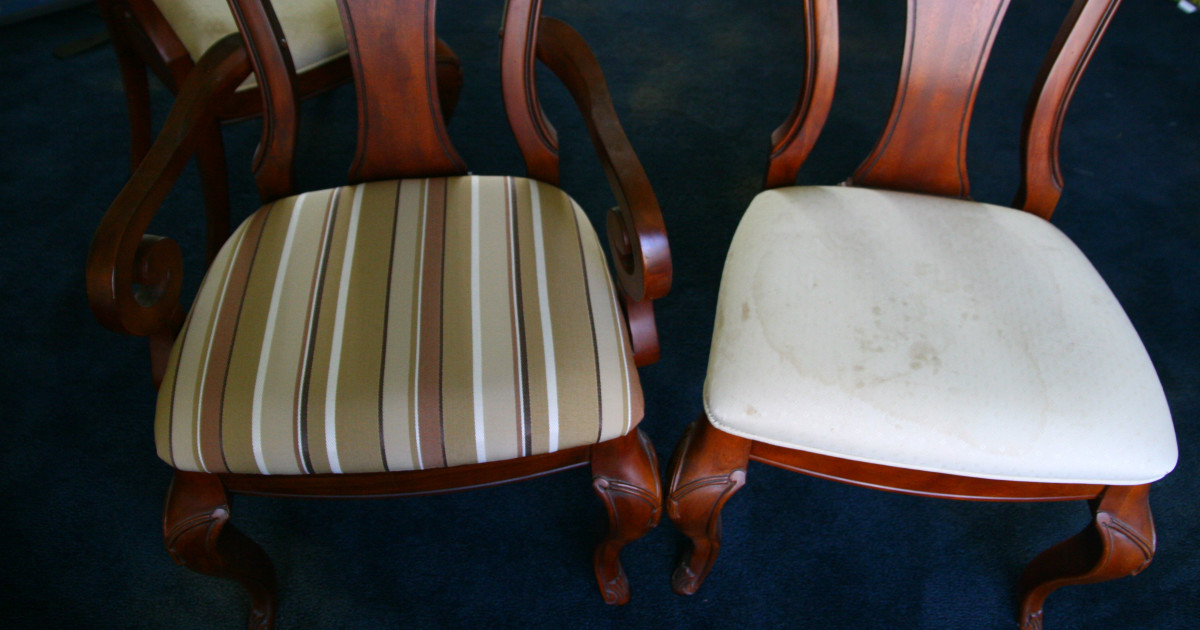
Credit: dengarden.com
Tools And Materials
Reupholstering a high back dining chair needs the right tools and materials. These help you work safely and get good results.
This guide covers what you need for the job. It will help you prepare before you start.
Essential Tools
You need some basic tools to remove old fabric and attach the new one. These tools make the work easier and faster.
- Staple remover or flathead screwdriver
- Pliers for pulling out staples or tacks
- Scissors to cut fabric and foam
- Staple gun with staples
- Screwdriver to remove chair parts if needed
- Measuring tape for accurate fabric size
- Hammer to tap in tacks or nails
- Needle and strong thread for sewing
Choosing Fabric
Pick fabric that fits your chair style and use. Dining chairs need tough fabric that cleans easily.
Look for fabric that is thick but soft. Avoid thin fabrics that tear or wear out fast.
- Heavy-duty cotton or linen blends
- Leather or faux leather for easy cleaning
- Polyester for durability and stain resistance
- Check fabric width to cover the chair fully
- Choose colors and patterns that match your room
Additional Supplies
Besides tools and fabric, some extra items help make the job neat and strong. These supplies improve the finish.
- High-density foam or batting for padding
- Spray adhesive to hold foam in place
- Upholstery tacks or decorative nails
- Fabric glue for small fixes
- Dust mask to protect from dust and fibers
- Work gloves to protect your hands
- Chalk or fabric marker to mark cuts

Credit: www.youtube.com
Preparing The Chair
Before you start reupholstering, prepare the chair well. This makes the work easier and the results better.
Cleaning and fixing the chair first helps the new fabric last longer. Follow these steps carefully.
Removing Old Upholstery
Take off the old fabric and padding with care. Use tools like pliers and a staple remover.
Remove all staples, tacks, and nails. Keep the pieces of fabric to use as patterns for cutting new ones.
- Use pliers to pull out staples
- Cut fabric if needed to remove it easily
- Keep old fabric pieces for size reference
- Work slowly to avoid damaging wood
Inspecting The Frame
Look closely at the chair’s wood frame. Check for cracks, loose joints, or broken parts.
Tighten screws and glue any loose parts. A strong frame makes the chair safe and stable.
- Check for cracks or splits in wood
- Test joints for looseness
- Tighten screws and bolts
- Use wood glue for loose joints
- Replace broken parts if needed
Cleaning And Repairing
Clean the wood frame with a soft cloth and mild cleaner. Remove dust, dirt, and old glue.
Sand rough spots gently. Fix dents or holes with wood filler. Let repairs dry before reupholstering.
- Use mild cleaner and soft cloth
- Sand rough or splintered areas
- Fill dents and holes with wood filler
- Let filler dry completely
- Wipe away dust before starting upholstery
Cutting And Attaching Foam
Reupholstering a high back dining chair needs good foam cutting and attachment. Foam adds comfort and shape to the chair.
Careful measuring and cutting make the foam fit well. Attaching foam firmly keeps it in place for long use.
Measuring Foam
Measure the chair seat and back carefully before cutting foam. Use a tape measure to get exact sizes.
Write down the length, width, and thickness needed. Check the curves on the chair to match the foam shape.
- Measure seat width and depth
- Measure back height and width
- Note foam thickness for comfort
- Check for any curves or angles
Cutting Techniques
Use a sharp knife or electric foam cutter for clean cuts. Cut slowly to avoid jagged edges.
Cut foam on a flat surface. Mark foam with a pen or chalk before cutting to guide your lines.
- Place foam on a stable table
- Draw cutting lines clearly
- Cut in long, smooth strokes
- Use a serrated knife for thick foam
Securing Foam To Frame
Attach foam to the chair frame with spray adhesive or staple gun. Make sure foam stays in place without movement.
Apply adhesive evenly or place staples along edges. Press foam firmly onto the frame to bond well.
- Use spray adhesive for full coverage
- Staple foam edges to wooden frame
- Check for loose spots and secure
- Let adhesive dry before upholstering
Cutting And Positioning Fabric
Reupholstering a high back dining chair needs careful fabric cutting and placement. This step shapes how the fabric fits and looks on the chair.
Good fabric cutting and positioning keep the chair neat and comfortable. It also helps avoid wasting fabric.
Measuring Fabric
Measure your chair’s back and seat before cutting. Add extra inches for tucking and stapling fabric.
Use a tape measure to get accurate length and width. Write down your measurements to avoid mistakes.
- Measure chair height from top to bottom
- Measure seat width and depth
- Add 3 to 4 inches on all sides
Cutting Patterns
Lay your fabric flat on a clean surface. Mark the fabric using your measurements and a pencil or chalk.
Cut slowly along the marks. Keep the edges smooth to avoid fraying.
- Use sharp scissors or rotary cutter
- Cut extra fabric for corners and curves
- Keep fabric patterns aligned if needed
Aligning Fabric On Chair
Place the cut fabric over the chair back and seat. Check if the fabric covers all parts evenly.
Adjust the fabric to line up any patterns or seams. Smooth out wrinkles and folds before stapling.
- Start aligning fabric from the top center
- Pull fabric tight but not too tight
- Check symmetry on both sides
- Ensure patterns match if fabric has designs
Stapling Fabric
Stapling fabric is a key step to reupholster a high back dining chair. It holds the fabric tightly in place. You need to work carefully to avoid wrinkles and loose spots.
Use a good quality staple gun for strong and even stapling. Make sure the fabric is smooth and stretched before stapling.
Starting Points
Begin stapling from the center of one side of the chair back. This helps keep the fabric balanced. Then move to the center of the opposite side.
Staple in small sections and keep the fabric tight. Do the same for the top and bottom edges. This keeps the fabric even on all sides.
Stretching Fabric Evenly
Pull the fabric gently but firmly before stapling. Stretch the fabric evenly to avoid wrinkles. Check the fabric tension as you go.
Staple one side, then pull and staple the opposite side. Repeat this pattern around the chair back to keep the fabric smooth.
- Pull fabric tight but do not overstretch
- Staple opposite sides alternately
- Keep checking fabric for wrinkles
Securing Corners And Edges
Fold the fabric neatly at corners to avoid bulk. Use small pleats or tucks if needed. Staple the corners firmly to hold folds in place.
Staple along edges close to the folds. Make sure the fabric is tight and smooth around the edges. This gives a clean and professional look.
- Make small folds at corners
- Staple close to fabric edges
- Check corners for tightness and smoothness
Finishing Touches
After you reupholster the high back dining chair, finishing touches make it look neat. These steps help the fabric stay tight and the chair look great.
Pay attention to small details for a clean and professional finish. This part completes your project.
Trimming Excess Fabric
Cut away any extra fabric close to the staples or tacks. Leave a little margin so fabric does not pull loose later.
Use sharp scissors to get a clean edge. Be careful not to cut too close to the seams.
- Trim fabric within 1/4 inch of fasteners
- Check all sides for loose fabric
- Keep edges smooth to avoid fraying
Adding Decorative Details
Decorative details add style and hide any small flaws. Use trim, buttons, or nailhead strips for a polished look.
Attach these details carefully so they stay secure and look even.
- Use upholstery tacks or glue for trims
- Add buttons by sewing or gluing
- Place nailhead strips along chair edges
Reassembling Chair Parts
Put the chair parts back together once fabric and decorations are done. Check each part fits well and is stable.
Tighten screws and bolts to make the chair strong and safe to use.
- Attach seat and back to frame securely
- Tighten all screws and bolts firmly
- Test chair for stability before use
Maintenance Tips
Taking care of your reupholstered high back dining chair helps it last longer. Good maintenance keeps the fabric clean and strong.
Regular care prevents damage and keeps your chair looking fresh over time.
Cleaning Upholstery
Clean the fabric gently to avoid damage. Use a vacuum with a soft brush to remove dust and dirt.
Spot clean spills quickly using a mild soap and water solution. Test the cleaner on a hidden spot first.
- Vacuum weekly to remove dust
- Use a soft cloth for spot cleaning
- Avoid harsh chemicals on fabric
- Dry spills immediately with a towel
Preventing Wear And Tear
Keep your chair safe from damage by limiting direct sunlight and sharp objects near it. Rotate the chair use to avoid uneven wear.
Check the frame and fabric for loose parts or tears. Fix small problems early to stop bigger damage.
- Place chair away from direct sunlight
- Avoid sharp items near upholstery
- Rotate chair use to balance wear
- Inspect for loose or torn areas often
- Repair small issues quickly

Credit: www.addicted2decorating.com
Frequently Asked Questions
What Tools Are Needed To Reupholster A Dining Chair?
You need a staple gun, fabric scissors, pliers, screwdrivers, foam padding, and upholstery fabric. These tools help remove old fabric, cut new material, and secure it tightly.
How Do I Choose Fabric For Reupholstering?
Pick durable, stain-resistant fabric suitable for dining chairs. Consider texture, color, and pattern that match your décor and withstand frequent use.
Can I Reupholster A High Back Chair Myself?
Yes, with patience and basic skills. Follow step-by-step instructions to remove old fabric, replace padding, and attach new fabric securely.
How Long Does Reupholstering A Dining Chair Take?
Typically, it takes 2 to 4 hours depending on experience and chair complexity. Allow extra time for drying glue or waiting between steps.
Conclusion
Reupholstering a high back dining chair can refresh its look easily. Take your time to remove old fabric carefully. Choose new fabric that fits your style and needs. Use the right tools to secure the fabric tightly. Small steps lead to great results.
Enjoy the satisfaction of a chair that looks brand new. This project saves money and adds personal touch to your home. Now, your dining chair is ready to impress guests with comfort and style.


