Is your favorite patio furniture looking tired and rusty? Rust can quickly turn your outdoor space from inviting to neglected.
But don’t worry—you don’t have to toss out those pieces and spend a fortune on new ones. With a few simple steps, you can bring your rusted patio furniture back to life. Imagine enjoying your backyard again with furniture that looks fresh and sturdy.
Keep reading, and you’ll discover easy, effective ways to repair rust and protect your furniture for many seasons to come. Your outdoor oasis is waiting!

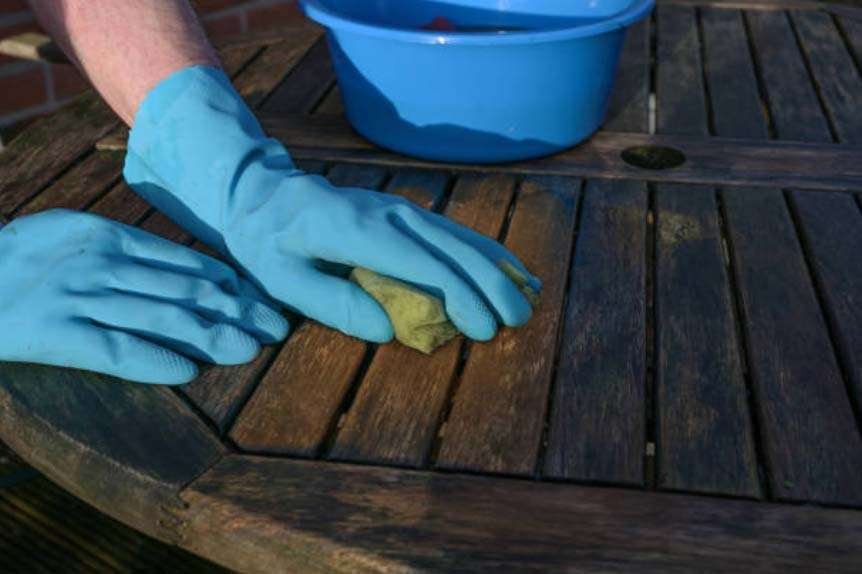
Credit: www.familyhandyman.com
Assessing Rust Damage
Rusted patio furniture needs careful inspection before repair. Knowing the rust type helps choose the right cleaning method.
Check all parts of your furniture, including hidden and hard-to-see areas. Rust can weaken metal and cause long-term damage.
Types Of Rust On Patio Furniture
Rust appears in different forms on metal patio furniture. Each type shows how deep the damage is and how to fix it.
- Surface Rust: Light rust that sits on top of the paint or metal.
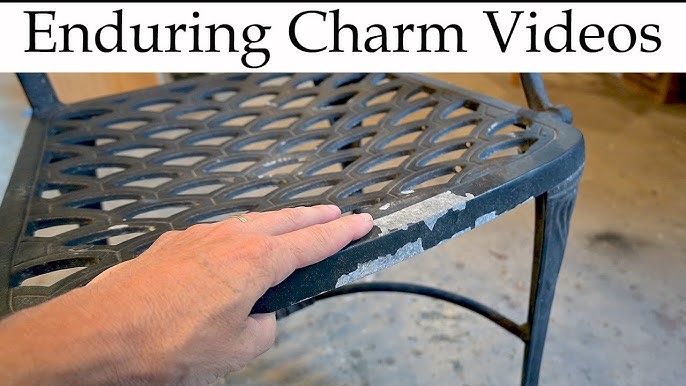
- Scale Rust: Rust that flakes off and may cause rough surfaces.
- Pitted Rust: Deep rust that creates holes and weak spots in the metal.
Surface rust is easier to clean. Pitted rust may need patching or part replacement.
Identifying Affected Areas
Look closely at all metal parts of your furniture. Rust often hides under cushions, joints, and corners.
Use a wire brush or sandpaper to check if rust flakes off easily. This shows the rust level and helps plan repairs.
- Check legs and frame for signs of rust damage.
- Inspect armrests and backrests carefully.
- Look under cushions and seats for hidden rust spots.
- Examine screws, bolts, and joints for corrosion.

Credit: www.2thesunnyside.com
Gathering Repair Materials
Fixing rusted patio furniture starts with collecting the right materials. Proper tools and products make the job easier and safer.
Before you begin, prepare everything you need to save time and avoid interruptions.
Essential Tools
Having the correct tools helps remove rust and prepare the furniture for repair. These tools work best for sanding and cleaning.
- Wire brush to scrape off loose rust
- Sandpaper or sanding block for smoothing surfaces
- Steel wool for detailed rust removal
- Putty knife to remove peeling paint or rust flakes
- Paintbrush for applying protective coatings
Recommended Rust Removal Products
Using the right rust remover helps clean metal parts effectively. Choose products that are safe and easy to use.
- Rust converter to stop rust from spreading
- Rust remover gel or liquid for dissolving rust
- White vinegar as a natural rust remover
- Baking soda paste to scrub rust gently
Protective Gear
Wear protective gear to keep yourself safe from dust and chemicals. Safety gear reduces health risks during repair.
- Gloves to protect your hands from chemicals and sharp edges
- Safety goggles to shield your eyes from rust particles
- Dust mask to avoid inhaling dust and fumes
- Old clothes or coveralls to protect your skin and clothes
Preparing The Furniture
Before fixing rusted patio furniture, you need to prepare it well. This step makes the repair last longer.
Proper preparation helps remove dirt and rust. It also smooths the surface for painting or sealing.
Cleaning Surface Dirt
Start by cleaning the furniture to remove dust and dirt. Use a brush or cloth to wipe the surface.
Soap and water work well for this job. Rinse the furniture and let it dry completely before moving on.
Removing Loose Rust
Check the furniture for loose rust patches. Use a wire brush or rust remover to clear off the flaky rust.
Removing loose rust prevents it from spreading under paint. Make sure to clean all rusty spots thoroughly.
Sanding Techniques
Sand the furniture to smooth rough areas and remove remaining rust. Use medium-grit sandpaper first.
After that, switch to fine-grit sandpaper for a smooth finish. Sand evenly to prepare for painting.
- Wear gloves and a mask while sanding
- Sand in circular or back-and-forth motions
- Clean dust with a cloth after sanding
Rust Removal Methods
Rusted patio furniture can look old and worn. Removing rust helps restore its beauty and strength. There are many ways to get rid of rust safely and effectively.
This guide explains three common rust removal options. You can choose based on the tools and materials you have.
Using Chemical Rust Removers
Chemical rust removers contain acids that dissolve rust quickly. They are easy to use and work fast on heavy rust.
Make sure to wear gloves and work in a well-ventilated area. Follow the instructions on the product label carefully.
- Apply the remover with a brush or cloth
- Let it sit for the time stated on the label
- Scrub rust away with a brush if needed
- Rinse the furniture with water and dry it well
Natural Rust Removal Alternatives
Natural rust removers use household items like vinegar and lemon. These are gentle and safe for the environment.
They may take longer but work well for light rust or small spots on furniture.
- Soak a cloth in white vinegar and place it on rust
- Let it sit for several hours
- Use lemon juice and salt as a scrub for rust spots
- Rinse with water and dry thoroughly
Mechanical Rust Removal
Mechanical removal uses tools like sandpaper or wire brushes. It scrapes rust off the metal surface.
This method is good for stubborn rust or large areas. It also prepares the surface for painting or sealing.
- Use coarse sandpaper or a wire brush to scrub rust
- Wear safety glasses and gloves to protect yourself
- Clean dust and rust particles with a damp cloth
- Finish with fine sandpaper for a smooth surface
Applying Rust Converter
Rusted patio furniture can look old and weak. Applying rust converter helps fix and protect it. This product changes rust into a safe, paint-ready surface.
Using rust converter is a simple way to stop rust from spreading. It saves your furniture and makes it last longer outdoors.
Purpose And Benefits
Rust converter stops the rusting process on metal surfaces. It turns rust into a stable material that won’t peel or flake. This prevents more damage to your furniture.
Applying rust converter also prepares the surface for painting. It helps paint stick better and last longer. This keeps your furniture looking nice and protected from weather.
- Stops rust from spreading
- Converts rust into a paintable surface
- Prevents metal from flaking
- Extends the life of furniture
- Improves paint adhesion
Application Tips
Clean the furniture before applying rust converter. Remove loose rust, dirt, and dust with a wire brush or sandpaper. Make sure the surface is dry before use.
Use a brush or spray to apply the rust converter evenly. Cover all rusted areas well. Let it dry completely before painting or using the furniture again.
- Wear gloves and work in a ventilated area
- Remove loose rust and dirt first
- Apply evenly with brush or spray
- Let dry for the time listed on the product
- Do not touch or disturb while drying

Credit: www.youtube.com
Priming And Painting
Fixing rust on patio furniture needs good priming and painting. This helps stop rust and makes the furniture look new.
Use the right products and follow the right steps. This keeps your furniture strong and nice for a long time.
Choosing The Right Primer
Pick a primer made for metal. It stops rust from coming back. It also helps paint stick well to the furniture.
Look for a rust-inhibiting primer. These primers block moisture and air that cause rust.
- Use oil-based or rust-converting primers
- Check if the primer works on outdoor metal
- Choose primers labeled rust-resistant or rust-proof
Selecting Durable Paint
Choose paint that can handle sun, rain, and cold. Look for paint made for outdoor metal furniture.
Durable paints protect the metal and keep the color bright. They also stop rust from coming back quickly.
- Use enamel or oil-based paints for strength
- Pick paints labeled for outdoor use
- Consider spray paint for smooth, even coverage
Painting Process
Start by cleaning and sanding the metal well. Then apply the primer in thin, even coats. Let it dry fully.
Next, paint the furniture with thin coats. Allow each coat to dry before adding the next. This makes the paint last longer.
- Wear gloves and work in a ventilated area
- Use a brush or spray for even paint layers
- Apply 2 to 3 coats for best protection
- Let furniture dry for 24 hours before use
Sealing And Protecting
Rusted patio furniture needs sealing to stop more damage. Sealing keeps water and air out.
Protecting your furniture helps it last longer outdoors. It also keeps it looking nice.
Types Of Sealants
You can use different sealants to protect your furniture. Each type works best on certain materials.
- Clear Rust Sealers:These stop rust and keep the metal visible.
- Oil-Based Paints:Paint covers rust and protects metal well.
- Rust Converter Primers:They turn rust into a safe surface before painting.
- Polyurethane Coatings:These add a hard, clear finish over paint or metal.
- Wax or Oil Finishes:Good for wooden parts, they keep moisture away.
Application For Longevity
Clean the furniture fully before sealing. Remove all rust and dirt for best results.
Apply sealants in thin, even layers. Let each layer dry before adding the next one.
- Use a brush or spray for smooth coverage.
- Work in a well-ventilated area for safety.
- Wear gloves to protect your skin.
- Check for missed spots and cover them.
- Reapply sealants every year or after heavy weather.
Maintenance Tips
Rusted patio furniture looks old and weak. Fixing rust needs care and regular work. Keeping furniture clean and safe stops rust from coming back.
These tips help your patio furniture last longer. Follow simple steps to keep it neat and strong.
Regular Cleaning
Clean your furniture often to stop rust. Dirt and moisture cause metal to rust fast. Use mild soap and water for cleaning. Avoid harsh chemicals that can harm the surface.
Dry the furniture well after washing. Use a soft cloth to remove water. Check small spots where rust may start.
- Wash with warm, soapy water
- Use a soft brush for crevices
- Rinse with clean water
- Dry with a clean cloth
- Inspect for rust spots
Preventing Future Rust
Stop rust by protecting metal surfaces. Paint or seal furniture with rust-resistant coatings. These create a barrier against moisture and air.
Fix small rust spots quickly. Sand the area gently, then apply rust-proof paint. This keeps rust from spreading and damaging the furniture.
- Apply rust-resistant paint or spray
- Use sealants on metal parts
- Check furniture monthly for rust
- Sand and repaint rust spots fast
Storage Suggestions
Store patio furniture in a dry place during bad weather. Keep it covered with waterproof covers. This stops water from sitting on metal parts.
If inside storage is not possible, raise furniture off the ground. Use blocks or pallets to avoid direct contact with wet surfaces.
- Use waterproof covers when not in use
- Store indoors during winter
- Lift furniture off wet ground
- Keep storage area ventilated
Frequently Asked Questions
How Do You Remove Rust From Patio Furniture?
To remove rust, use a wire brush to scrub off loose rust. Then, apply a rust remover or vinegar solution. Let it sit for a few hours and scrub again. Rinse thoroughly and dry completely before repainting or sealing to protect from future rust.
What Is The Best Paint For Patio Furniture?
Use rust-resistant spray paint designed for metal surfaces. Look for outdoor or all-weather paint for durability. Ensure the paint is suitable for your furniture’s material, whether metal or wood. Apply a primer first for better adhesion and finish with a clear sealant for extra protection.
Can I Prevent Rust On Patio Furniture?
Yes, you can prevent rust by regularly cleaning your furniture and applying a protective sealant or wax. Use furniture covers during bad weather and store indoors in winter. Repaint or touch up any scratches promptly to prevent moisture from causing rust.
How Often Should I Maintain Patio Furniture?
Regular maintenance every three to six months is ideal. Clean and inspect for rust or damage. Reapply protective coatings as needed and ensure your furniture is stored properly in adverse weather conditions. Regular maintenance extends the life of your patio furniture.
Conclusion
Rusted patio furniture can look old and worn out. Fixing it takes some effort but is worth it. Clean off the rust carefully. Use the right tools and materials for best results. Paint or seal the furniture to protect it.
This helps prevent rust from coming back. Regular care will keep your furniture strong and nice. Enjoy your outdoor space with furniture that looks fresh again. Small repairs save money and extend furniture life. Give your patio a quick makeover today.