Rust on your outdoor furniture can be frustrating to deal with. It not only looks bad but can also damage your favorite pieces over time.
You might be wondering how to get rid of that stubborn rust without spending a fortune or buying harsh chemicals. The good news is, you don’t have to replace your furniture or call a professional just yet. You’ll discover simple, effective ways to remove rust and bring your outdoor furniture back to life.
Keep reading, and you’ll learn easy steps that anyone can follow to protect your investment and enjoy your outdoor space again.
Credit: www.housedigest.com
Causes Of Rust On Outdoor Furniture
Rust forms on outdoor furniture due to several common causes. Understanding these helps prevent damage.
Rust weakens metal parts and spoils the look of your furniture. It is important to know what causes it.
Exposure To Moisture And Humidity
Moisture and humidity cause rust by reacting with metal surfaces. Water acts as a catalyst for rust formation.
Outdoor furniture exposed to rain, dew, or wet grass collects moisture. This moisture stays on the metal and starts rusting.
- Rain and snow leave water on surfaces
- High humidity keeps metal damp for long periods
- Pooled water in crevices speeds up rust
Effect Of Sunlight And Weather
Sunlight and changing weather affect outdoor furniture and cause rust. Heat and cold create metal stress.
Sunlight dries some moisture but also fades protective coatings. Cold weather causes cracks where water can enter.
- UV rays break down paint and finishes
- Temperature changes cause metal to expand and contract
- Cracks let water reach metal surfaces
Common Metals Prone To Rust
Not all metals rust equally. Some metals used in outdoor furniture are more likely to rust than others.
Iron and steel are the most common metals that rust. Aluminum and stainless steel resist rust better but can still corrode.
- Iron and steel rust quickly when exposed to moisture
- Aluminum forms a protective layer but can corrode over time
- Stainless steel resists rust but may stain in harsh conditions

Credit: www.youtube.com
Tools And Materials Needed
Removing rust from outdoor furniture is important to keep it strong and looking good. You need the right tools and materials to do the job safely and well.
This guide will help you gather what you need before starting the rust removal process.
Rust Removers And Cleaners
Rust removers help break down rust and clean the metal surface. You can use natural or chemical options depending on what you have.
- White vinegar: Soaks rust and loosens it
- Lemon juice and salt: Natural acid to remove rust
- Commercial rust remover: Made for tough rust stains
- Baking soda paste: Mild abrasive and cleaner
Scrubbing Tools And Brushes
Scrubbing tools help remove rust after applying cleaners. Use brushes or pads that do not damage your furniture.
- Wire brush: Strong for heavy rust
- Steel wool: Good for small spots
- Scrubbing sponge: For gentle cleaning
- Sandpaper: Smooths rough surfaces
Protective Gear And Safety Tips
Wear safety gear to protect your skin and eyes from rust and chemicals. Follow safety tips to avoid accidents.
- Gloves: Protect hands from rust and cleaners
- Safety glasses: Shield eyes from splashes
- Mask: Avoid inhaling dust or fumes
- Work in a ventilated area: Keep fresh air flowing
Step-by-step Rust Removal Methods
Rust can ruin the look of your outdoor furniture. Removing it keeps your furniture strong and good-looking. Follow simple steps to clean rust safely and well.
This guide covers three easy ways to remove rust. Use natural ingredients, commercial products, or tools to get rid of rust.
Using Vinegar And Baking Soda
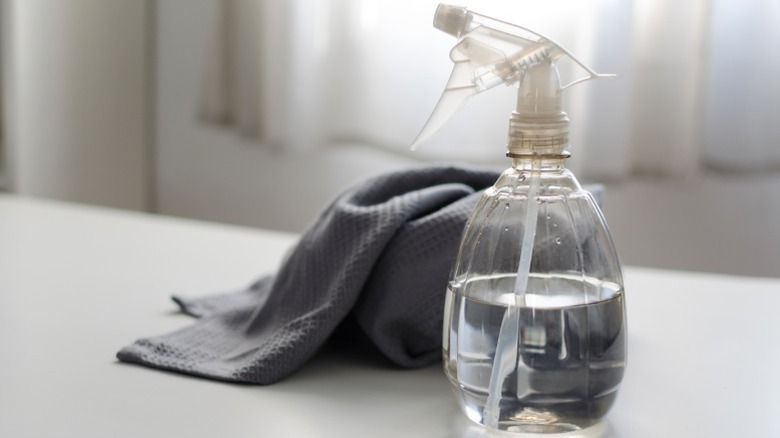
Vinegar and baking soda are natural cleaners. They help break down rust without harsh chemicals. This method works best for light rust on small areas.
Soak a cloth in white vinegar and apply it to the rust. Let it sit for 30 minutes. Then, sprinkle baking soda on the rusted area and scrub gently with a brush.
- Use white vinegar for soaking or wiping
- Apply baking soda as a mild abrasive
- Scrub with a soft brush or cloth
- Rinse with water and dry completely
Applying Commercial Rust Removers
Commercial rust removers are made to dissolve rust quickly. Always read the label and follow safety instructions. Wear gloves and work in a well-ventilated area.
Apply the rust remover with a brush or cloth. Let it sit for the time shown on the product. Then wipe or rinse off the rust and cleaner. Repeat if needed.
- Choose remover for outdoor metal furniture
- Wear protective gloves and goggles
- Apply evenly on rusted spots
- Wait as directed before cleaning off
- Dry furniture to prevent new rust
Mechanical Removal Techniques
Mechanical methods use tools to scrape or sand rust off. This works well for heavy rust or large areas. Use sandpaper, wire brushes, or power tools carefully.
Start with coarse sandpaper or wire brush to remove thick rust. Finish with fine sandpaper for smoothness. Clean dust before repainting or sealing the furniture.
- Use sandpaper (coarse then fine)
- Try a wire brush for rough rust spots
- Wear a mask to avoid dust inhaling
- Clean surface after sanding
- Apply paint or sealant to protect
Preventing Future Rust
Rust can damage outdoor furniture over time. Taking steps to prevent rust helps keep your furniture strong and good-looking. Simple care can stop rust from coming back.
Use protective coatings, clean your furniture well, and store it properly. These actions protect your furniture from moisture and air, which cause rust.
Applying Protective Coatings
Protective coatings create a barrier between metal and the air. This barrier stops moisture from causing rust. Paint, sealants, and rust-proof sprays work well.
Make sure to apply coatings on clean, dry furniture. Reapply coatings every year or after heavy use to keep protection strong.
- Use rust-resistant paint for metal surfaces
- Apply a clear sealant for extra protection
- Choose spray-on rust inhibitors for hard-to-reach spots
- Follow the product instructions carefully
Proper Cleaning And Maintenance
Regular cleaning removes dirt and moisture that can cause rust. Use mild soap and water to wash your furniture. Avoid harsh chemicals that can damage coatings.
Dry furniture completely after cleaning. Check for scratches or chips in paint. Fix these spots quickly to stop rust from starting.
- Clean furniture every few weeks during use
- Use a soft brush or cloth to avoid damage
- Inspect furniture monthly for signs of rust or wear
- Touch up paint or sealant if needed
Storing Furniture Correctly
Store outdoor furniture in a dry place during bad weather or winter. Cover furniture with waterproof covers to keep rain and snow away. Avoid storing furniture directly on wet ground.
Good storage reduces exposure to moisture and stops rust. If indoor storage is not possible, use raised platforms to keep furniture off the ground.
- Store furniture in a garage or shed if possible
- Use waterproof covers during rain or snow
- Keep furniture raised off the ground
- Ensure good air flow to prevent moisture build-up
Diy Vs Professional Help
Rust on outdoor furniture can make it look old and worn. You can try to remove rust yourself or hire a professional. Both ways have good points and limits.
Choosing between DIY and professional help depends on your skills, tools, and how bad the rust is. Let’s look at when to pick each option.
When To Choose Diy Methods
DIY rust removal works well for small rust spots or light surface rust. It saves money and lets you fix things fast. You only need basic tools and products.
You should try DIY if you feel comfortable working with sandpaper, brushes, and rust removers. It also helps if the furniture is not very valuable or delicate.
- Rust covers a small area
- Rust is only on the surface
- You have simple tools like sandpaper or wire brush
- You want to save money
- You can spend time fixing it yourself
Signs You Need Professional Assistance
Call a professional if rust is heavy or has damaged the metal deeply. Professionals have the right tools and skills for hard rust problems.
Also, if your furniture is expensive or antique, a pro can protect its value. They can restore it safely without causing more damage.
- Rust covers large or hard-to-reach areas
- Rust has caused holes or deep damage
- Furniture is valuable or antique
- You do not have time or tools
- You want a long-lasting fix
Credit: www.smorhome.com
Frequently Asked Questions
What Is The Best Way To Remove Rust From Outdoor Furniture?
Use white vinegar or lemon juice to dissolve rust naturally. Apply with a cloth, scrub gently, then rinse and dry the furniture thoroughly.
Can Baking Soda Effectively Clean Rust Off Furniture?
Yes, baking soda forms a paste with water that removes rust. Apply it, let sit for 30 minutes, scrub with a brush, then rinse well.
How Do I Prevent Rust From Returning On Outdoor Furniture?
Keep furniture dry and clean. Apply rust-resistant paint or sealant regularly. Store furniture indoors during rainy seasons to minimize rust risk.
Is It Safe To Use Commercial Rust Removers On Furniture?
Yes, but follow instructions carefully and use protective gloves. Test on a small area first to avoid damage to the furniture’s finish.
Conclusion
Removing rust from outdoor furniture keeps it strong and good-looking. Use simple tools and cleaners to scrub off the rust. Dry the furniture well to stop new rust from forming. Regular care helps your furniture last longer outdoors. Rust does not have to ruin your favorite pieces.
Small steps make a big difference over time. Keep your furniture clean and check it often. Rust removal is easy with the right approach. Your outdoor space stays inviting and fresh. Simple care brings back your furniture’s shine and life.