Choosing the right area rug can completely transform your space, but measuring for it can feel tricky. You might wonder, “How do I know if this rug will fit perfectly?” or “What size looks best without overwhelming my room?” Getting the measurements right is key to making your room look balanced and cozy.
In this guide, you’ll discover simple, step-by-step tips to measure your space with confidence. By the end, you’ll know exactly how to pick the perfect rug size that matches your style and needs—no guesswork needed. Keep reading, and let’s get started on making your space feel just right.
Choose The Right Room
Choosing the right room is the first step to measuring for an area rug. Each room has different needs and space sizes.
Knowing which room you want the rug for helps you pick the right size and style. This makes your space look balanced.
Living Room
Living rooms often need large rugs to cover open floor space. A good rug ties the furniture together.
Measure the main seating area. Make sure the rug fits under the front legs of sofas and chairs.
Dining Room
The rug should be large enough to hold the dining table and chairs. Chairs should stay on the rug when pulled out.
Measure the table size and add extra space for chairs. This prevents the rug from looking too small.
Bedroom
In bedrooms, rugs add warmth and style next to the bed. Common sizes fit under the bed and extend out.
Measure the bed size and decide how far you want the rug to extend. This helps choose the perfect rug size.
Entryway Or Hallway
Entryways and hallways need rugs that fit narrow spaces. The rug should not block doors or walkways.
Measure the length and width of the area. Choose a rug that fits comfortably without crowding the space.

Credit: www.dormtherapy.com
Measure Your Space
Choosing the right area rug starts with measuring your space. This helps you pick a rug that fits well and looks good.
Take accurate measurements to avoid buying a rug that is too big or too small for your room.
Measure Room Dimensions
First, measure the length and width of your room. Use a tape measure for accuracy.
Write down the measurements in feet or meters. These numbers help you choose the right rug size.
Account For Furniture Placement
Think about where your furniture will sit on or near the rug. This affects the rug size and shape you need.
Measure the space around furniture to make sure the rug fits well without crowding the room.
- Leave some space between rug edges and walls for balance
- Place larger rugs under bigger furniture pieces
- Ensure enough rug shows around chairs and tables
Decide Rug Shape
Choosing the right rug shape helps your room look balanced. It also fits better with your furniture.
Think about the room’s shape and how you want to use the rug. This makes picking the shape easier.
Common Rug Shapes
Rugs come in many shapes. The most common are rectangle, square, round, and runner.
- Rectangle:Fits most rooms and areas easily.
- Square:Works well in small spaces or under square tables.
- Round:Adds softness and suits circular tables or corners.
- Runner:Perfect for hallways or narrow spaces.
Each shape creates a different look. Choose one that matches your style and space.
Matching Shape To Room Layout
Look at your room’s layout before picking a rug shape. The rug should fit the space well.
Rectangle rugs suit most rooms. Round rugs fit better in smaller or odd-shaped rooms.
- In a square room, a square or round rug works nicely.
- For long rooms, runners add style and guide walking paths.
- Under rectangular dining tables, use rectangle rugs for best fit.
- Place round rugs under round tables for balance.
Credit: ruggallery.net
Determine Rug Size
Choosing the right rug size helps make your room look balanced. Measure your space before buying a rug.
Think about how you want furniture to sit on or around the rug. This affects the size you should get.
Standard Rug Sizes
Standard rugs come in common sizes that fit most rooms and furniture styles. These sizes make choosing easier.
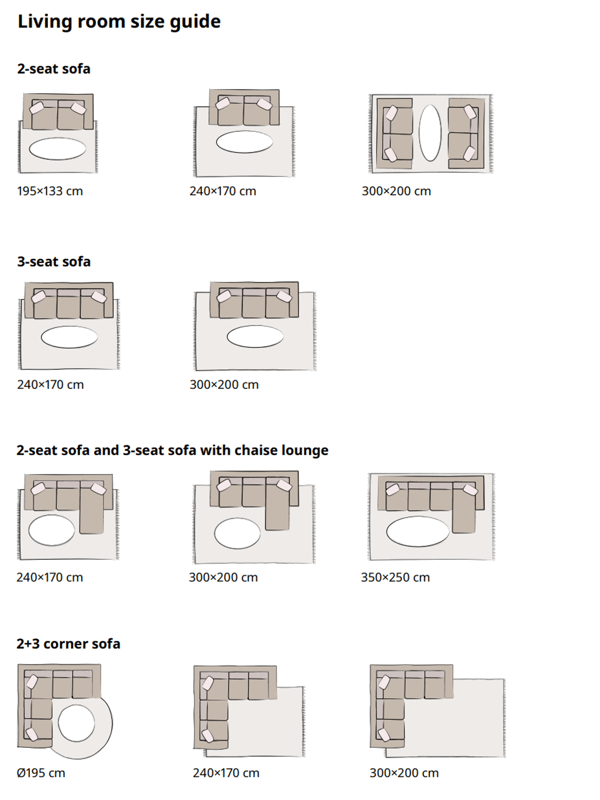
- 5 x 8 feet – Good for small living rooms or under coffee tables
- 8 x 10 feet – Fits medium living rooms and dining areas
- 9 x 12 feet – Works well in large rooms or under dining tables
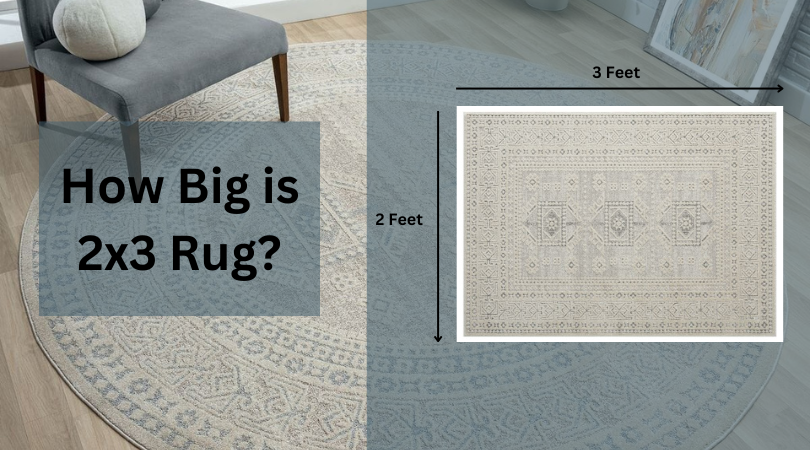
- 2 x 3 feet – Perfect for entryways or small spots
Custom Size Options
If your space is unusual or you want a special look, custom rugs can fit perfectly. You control the shape and size.
Measure the area carefully and note the exact length and width you need. Custom rugs can match odd spaces or specific furniture.
Use Measuring Tools
Measuring your space is key before buying an area rug. Use the right tools to get exact numbers. This helps you pick a rug that fits well in your room.
Simple tools like a tape measure can make this task easy. With good measuring, you avoid rugs that are too big or too small.
Tape Measure Tips
Use a tape measure to find the length and width of the space. Pull it tight to get accurate results. Measure twice to be sure.
Mark the spots where the rug will start and end. This helps you see the size clearly. If the room is large, use a long tape or mark in parts.
- Start measuring from one wall or furniture edge.
- Measure across the floor, not along walls.
- Note the measurements on paper or your phone.
- Check for obstacles like doors or vents.
Alternative Measuring Methods
If you do not have a tape measure, use a ruler or yardstick. Measure small sections and add them up. This works well for small rooms.
You can also use string or rope. Lay it along the space, then measure the string with a ruler. This method helps with odd shapes.
- Use a ruler or yardstick for short distances.
- Use string to measure curves or corners.
- Mark the string with a pen before measuring.
- Double-check your totals to avoid mistakes.
Credit: www.ikea.com
Test Rug Placement
Testing your rug placement helps you find the best fit for your space. It shows how the rug looks and feels in the room.
Try moving the rug around before measuring. This way, you can see which spot works well with your furniture.
Marking Rug Edges
Mark the edges of the rug to visualize its size in the room. Use tape or chalk to outline the rug on the floor.
This helps you check if the rug fits under furniture or if it covers the right area.
- Place painter’s tape around the rug edges
- Use chalk on carpet or wood floors
- Step back to see the overall space covered
Checking Traffic Flow
Make sure the rug does not block walking paths. People should move easily around the room.
Notice if the rug placement changes how people walk. Avoid spots that cause trips or discomfort.
- Watch foot traffic during busy times
- Keep rugs away from doorways
- Leave enough space to walk around furniture
Consider Rug Style
Choosing the right rug style is important before measuring for an area rug. The style affects size, shape, and placement.
Think about how the rug style fits your room’s look and purpose. This helps pick the perfect rug size.
Color And Pattern Impact
Colors and patterns change the room’s mood and size feel. Dark colors make a space feel smaller.
Light colors open up a room. Patterns add interest but can affect how you see the rug’s size.
- Use light colors to make rooms feel bigger
- Dark colors create a cozy effect
- Small patterns suit small rugs
- Large patterns work well on big rugs
Material And Texture Choices
Rug materials affect comfort and durability. Some materials look thicker or thinner, changing the room’s feel.
Textures add depth. Smooth rugs look sleek, while shaggy or woven rugs feel warm and soft.
- Wool rugs are soft and last long
- Synthetic rugs are easy to clean
- Shag rugs add cozy texture
- Flatweave rugs look slim and simple
Frequently Asked Questions
How Do I Choose The Right Rug Size?
To choose the right rug size, measure the room and furniture layout. Leave 12-18 inches of floor exposed around the rug. Ensure the rug fits under key furniture pieces like sofas or tables. This helps in defining spaces and enhancing the room's aesthetics effectively.
What Tools Do I Need To Measure For A Rug?
To measure for a rug, you'll need a tape measure, pen, and paper. Measure the space where you want to place the rug. Note the dimensions and consider the furniture arrangement. This ensures you select a rug that fits perfectly and complements your room's design.
Can I Use A Rug Under Dining Tables?
Yes, using a rug under dining tables is common. Ensure the rug is large enough to accommodate chairs, even when pulled out. This prevents chairs from catching on the rug edge and enhances the dining area's look. Choose a durable material for easy cleaning and maintenance.
Should The Rug Cover The Entire Floor?
A rug doesn't need to cover the entire floor. It should define specific areas, leaving some floor exposed. This approach helps in creating distinct zones, especially in open-plan spaces. Ensure the rug size complements the room's layout and enhances its overall aesthetics.
Conclusion
Measuring an area rug is simple when you follow key steps. Start by knowing your room size and furniture layout. Use a tape measure for accurate length and width. Allow extra space around furniture for a balanced look. Double-check your numbers before buying.
A well-measured rug brings warmth and style to any room. Taking time to measure right saves money and effort later. Now, enjoy choosing the perfect rug that fits your space beautifully.