

Are you thinking about buying a new dining table or rearranging your dining space? Knowing how to measure a dining table the right way can save you from costly mistakes and frustration.
Whether you want to fit more guests comfortably or make sure your table fits perfectly in your room, getting the measurements right is key. In this guide, you’ll discover simple steps to measure your dining table accurately, helping you make confident decisions that transform your dining area.
Keep reading—you’re just moments away from mastering the perfect fit for your dining space.

Credit: www.amazon.com
Choosing The Right Table Size
Picking the right dining table size is key for a comfortable space. The table should fit well in your room.
Measure carefully to ensure your table matches your needs and room size.
Consider Room Dimensions
Start by measuring the length and width of your dining room. This helps you know the space available for the table.
Keep in mind other furniture and walking areas when choosing your table size.
- Measure the room from wall to wall
- Note the space taken by other furniture
- Think about how much space you want around the table
Account For Chair Space
Allow enough space for chairs around the table. People need room to sit and stand comfortably.
Each chair usually needs about 24 inches of space to fit well.
- Measure the width of your chairs
- Add space for pulling the chair out
- Include extra room if you want armchairs
Leave Clearance For Movement
People should move easily around the table. Leave space between the table and walls or furniture.
A clearance of 36 inches is good for walking and serving food comfortably.
- Measure space between table edges and walls
- Keep at least 36 inches for clear walking paths
- More space is better for busy or large rooms
Measuring Your Dining Space
Measuring your dining space helps you find the right table size. It ensures the table fits well and looks good.
Take accurate measurements before buying a dining table. This avoids problems with space and comfort.
Use A Tape Measure Effectively
Use a tape measure that is at least 12 feet long. It helps you measure large dining areas easily.
Hold the tape measure straight and level. Avoid bending it to get exact numbers.
- Start measuring from a fixed point like a wall
- Write down measurements as you go
- Ask someone to help for better accuracy
Measure Length And Width
Measure the length and width of your dining area where the table will go. This shows how much space you have.
Leave room for chairs and walking paths around the table. At least 36 inches around the table is best.
- Measure wall to wall or between furniture
- Note the free space available for the table
- Check if the room shape affects table placement
Check Ceiling Height
Measure the ceiling height to ensure enough space for lighting and comfort. Low ceilings may limit table size.
Keep at least 30 inches between the table top and any overhead light fixtures. This prevents head bumps.
- Measure from floor to ceiling
- Measure from floor to bottom of light fixture
- Consider ceiling fans or beams that lower height
Determining Table Dimensions
Measuring a dining table correctly helps ensure it fits your space and needs. Proper dimensions provide comfort and style.
Knowing the right height, length, and shape helps you choose the best table size. It also guides your seating arrangement.
Standard Table Heights
Most dining tables have a height that fits most chairs. This height allows people to sit and eat comfortably.
The typical height range is between 28 and 30 inches. This fits most dining chairs and allows enough legroom.
- Standard height: 28 to 30 inches (71 to 76 cm)
- Counter-height tables: 34 to 36 inches (86 to 91 cm)
- Bar-height tables: 40 to 42 inches (102 to 107 cm)
Length And Width Guidelines
Table length and width depend on how many people you want to seat. Allow at least 24 inches of space per person.
Also, leave space around the table for movement. Around 36 inches between the table and walls works well.
- Allow 24 inches (61 cm) per person for seating
- Leave 36 inches (91 cm) from the table edge to walls or furniture
- Common table sizes: 36x48, 36x60, 36x72 inches
Shape Options And Their Impact
Table shape affects space and seating capacity. Choose a shape that fits your room size and style.
Round tables fit smaller rooms and encourage conversation. Rectangular tables suit longer spaces and larger groups.
| Shape | Space Impact | Seating Capacity |
|---|---|---|
| Rectangular | Fits long, narrow rooms | 4 to 10 people |
| Round | Uses space well in small rooms | 4 to 6 people |
| Square | Good for small spaces | 4 to 8 people |
| Oval | Softens room corners | 4 to 8 people |
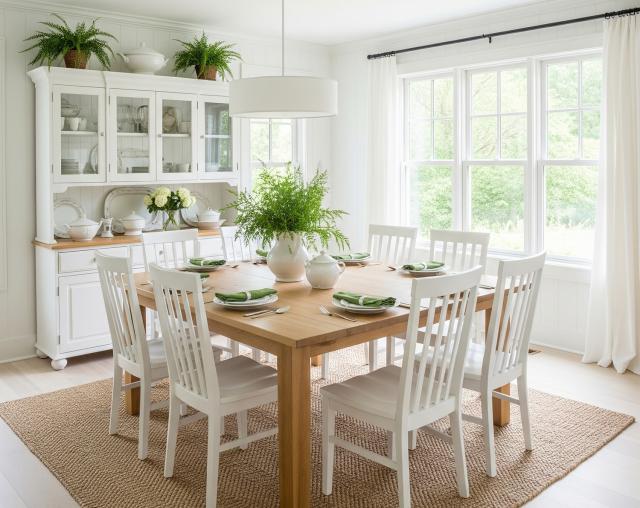
Credit: www.sisalrugs.com
Accounting For Seating Capacity
Measuring a dining table is not just about its size. You must consider how many people can sit comfortably around it. Seating capacity depends on the table’s shape and size.
Knowing the right space per person helps avoid crowding. This guide explains how to measure for seating capacity.
Space Per Person
Each person needs enough space to eat and move. A good rule is to allow 24 inches of width per person. This space gives enough room for plates and elbows.
For the depth, allow about 18 inches from the table edge to the person’s body. This space lets people sit comfortably without bumping knees.
- 24 inches width per person
- 18 inches depth from table edge
- Leave extra space if guests use large plates or serve dishes
Bench Vs Chair Considerations
Benches can fit more people because they have no arms or legs in the way. Chairs take more space because of their design. Consider this when measuring your table.
Benches work well for casual dining and small spaces. Chairs offer more comfort but need more room around the table.
- Benches fit more people in less space
- Chairs need extra space for movement
- Choose seating based on room size and comfort needs
Extra Seating Needs
Sometimes you need extra seats for guests. Leave space to add folding chairs or stools. Make sure the table length allows for these additions.
Plan for at least 12 inches of extra table length for each extra seat. This space helps guests sit without crowding others.
- Keep room to add folding chairs
- Allow 12 extra inches of table length per extra seat
- Consider space behind chairs for easy access
Using Templates And Mockups
Measuring a dining table correctly helps you pick the right size for your space. Using templates and mockups makes this process easier and more accurate.
Templates and mockups let you see how the table fits before buying. They save time and reduce mistakes in choosing the table size.
Create Paper Templates
Make paper templates by cutting shapes of the table size from cardboard or paper. Use the exact measurements you want for your dining table.
These templates show the table’s shape and size. You can move them around to check fit and space.
- Measure your desired table length and width
- Draw the shape on paper or cardboard
- Cut out the template carefully
- Use tape to hold the template if needed
Marking Floor Space
Mark the floor area where the table will go. Use painter’s tape or masking tape to outline the space on the floor.
This helps you see how much room the table will take. It also shows if there is enough space for chairs and walking around.
- Clear the floor area where the table will be
- Use tape to mark the table’s edges
- Leave space for chairs around the tape
- Walk around the marked area to check space
Visualizing Table Placement
Use mockups or templates to imagine how the table fits in your room. You can also use furniture apps or drawings to help visualize.
Visualizing helps you decide the best spot for the table. It shows if the table blocks doors or windows and how it matches other furniture.
- Place the paper template or tape on the floor
- Look from different angles to check space
- Move templates to try different positions
- Check if the table blocks paths or furniture

Credit: www.amazon.co.uk
Adjusting For Room Layout
Measuring a dining table is not just about size. You must think about the room's shape and space. The table should fit well and look balanced.
Adjusting the table to the room helps people move easily. It also makes the dining area more comfortable and inviting.
Positioning Near Walls
When placing a dining table near walls, leave enough space to pull out chairs. Avoid putting the table too close to the wall. This allows easy access and comfort.
Measure at least 30 inches between the table edge and the wall. This space helps guests sit and stand without trouble.
- Keep 30 inches minimum from the wall
- Allow room for chair movement
- Consider wall decor and lighting placement
Aligning With Other Furniture
Make sure your dining table fits with other furniture in the room. Align it with sofas, cabinets, or rugs to create balance. This makes the space look planned and neat.
Leave enough space between furniture pieces. This helps people walk around without bumping into things.
- Match the table’s length with nearby furniture
- Keep 36 inches between table and other furniture
- Use rugs to define the dining area
Lighting And Traffic Flow
Good lighting makes the dining area inviting. Place the table under a light source without blocking walkways. Avoid shadows or glare on the table.
Plan for easy traffic flow. Leave at least 36 inches of space around the table so people can move freely. This prevents crowding and accidents.
- Place the table under a ceiling light or chandelier
- Ensure 36 inches of walking space around the table
- Keep paths clear for smooth movement
Final Tips For Perfect Fit
Choosing the right dining table size makes your space comfortable and inviting. Use these tips to get the perfect fit for your room.
Good measurement helps avoid buying a table that is too big or too small. Pay attention to details before you buy.
Leave Room For Decor
Leave space around the table for decorations like centerpieces and place settings. This makes your table look complete and neat.
Make sure there is at least 12 inches of space around the edges for decor and dishes.
- Keep 12 inches minimum around the table edge
- Allow space for plates, glasses, and serving bowls
- Consider adding room for candles or flowers
Consider Future Needs
Think about how your needs may change in the future. You might need more seats or a larger table for guests.
Choose a table size that works now and will still be useful later. Expandable tables are a good option.
- Plan for extra seats during holidays and events
- Check if your table can extend or add leaves
- Think about space for kids or family growth
Measure Twice, Buy Once
Double-check your measurements before you buy. This saves time and money by avoiding mistakes.
Measure your room, walkways, and table space carefully. Use a tape measure and write down all numbers.
- Measure room length and width twice
- Check space for chairs and walking paths
- Confirm table size fits through doors and hallways
Frequently Asked Questions
What Tools Are Needed To Measure A Dining Table?
To measure a dining table, you'll need a tape measure, a notepad, and a pen. Use the tape measure to determine the length, width, and height. Write down each measurement for accuracy. A level can be helpful to ensure the table is even.
How Do You Measure Table Length?
To measure the table length, use a tape measure from one end to the other. Ensure the tape is straight for accuracy. Note the measurement on a notepad. This helps when determining the space needed in a room.
Why Is Table Height Measurement Important?
Measuring table height ensures comfort and proper fit with chairs. It typically ranges from 28 to 30 inches. Check if the height suits your seating. This measurement impacts dining experience and aesthetics.
How To Measure Table Width Correctly?
Measure table width by placing the tape measure across the table's widest part. Ensure the tape is straight and taut for accuracy. Write down the measurement. Accurate width measurement is crucial for room planning and seating arrangements.
Conclusion
Measuring a dining table is simple with the right steps. Always measure length, width, and height carefully. Use a tape measure for best results. Remember to check space around the table for chairs. Accurate measurements help you pick the perfect table size.
This makes your dining area comfortable and functional. Take your time and measure twice for safety. Enjoy your dining space with confidence and ease.


