

Is your office chair squeaking, wobbling, or feeling uncomfortable? You rely on it every day, so when it starts acting up, it can disrupt your work and focus.
The good news is, you don’t have to rush out and buy a new one. With a few simple steps, you can fix your office chair yourself and bring back that smooth, comfortable support you need. Keep reading, and you’ll discover easy tips to solve common chair problems quickly—saving you time, money, and frustration.
Your perfect office setup is just a few fixes away!
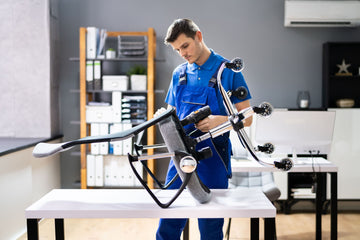
Credit: www.odinlake.com
Common Office Chair Issues
Office chairs can develop problems over time. Fixing these issues helps keep your chair comfortable and safe.
This guide covers common problems and simple ways to fix them yourself.
Wobbly Base
A wobbly base makes the chair unstable and unsafe. It usually happens because of loose parts or damage.
Check if the screws under the base are tight. Tighten any loose screws with a screwdriver.
Stuck Wheels
Wheels that do not roll smoothly can cause trouble moving around. Dirt and hair often block the wheels.
Remove the wheels and clean them well. Use a brush or compressed air to clear debris.
- Pull out the wheel carefully
- Clean with water or rubbing alcohol
- Dry completely before reattaching
Broken Armrests
Armrests can crack or loosen over time. This makes the chair less comfortable and less safe.
Use strong glue for small cracks. Replace the armrest if it is badly broken or missing parts.
Sagging Seat
A sagging seat feels uncomfortable and lowers your posture. The foam or springs inside may be worn out.
Replace the seat cushion or add a cushion pad. Check the chair frame for damage and fix if needed.
Loose Screws
Loose screws make the chair unstable and noisy. They come loose from regular use and movement.
Check all screws regularly. Use a screwdriver to tighten any loose screws to keep the chair steady.

Credit: www.reddit.com
Tools Needed For Repairs
Fixing an office chair usually needs a few simple tools. Having the right tools makes the job easier and faster.
Below are the main tools and parts you need to repair common problems with office chairs.
Screwdrivers And Allen Keys
Screwdrivers and Allen keys help you remove and tighten screws and bolts. Most chairs use these fasteners.
A Phillips screwdriver works well for cross-shaped screws. Flathead screwdrivers fit slotted screws. Allen keys fit hexagonal bolts common in chairs.
- Phillips screwdriver
- Flathead screwdriver
- Set of Allen keys (various sizes)
Lubricants And Cleaners
Lubricants keep moving parts smooth and quiet. Cleaners help remove dirt and grime from the chair.
Use silicone spray or light oil for joints and wheels. Use mild soap or specialized cleaner to wipe surfaces.
- Silicone spray or light machine oil
- Mild soap or chair cleaner
- Clean cloth or brush
Replacement Parts
Some chair parts wear out or break and need replacing. Common parts include wheels, gas lifts, and armrests.
Check the chair model to buy the right size and type of parts. Keep spare parts ready for quick fixes.
- Replacement wheels or casters
- Gas lift cylinder
- Armrest pads or supports
- Seat cushions or covers
Basic Repair Kit
A basic repair kit combines essential tools and parts. It helps you handle most common chair repairs at home.
Keep a kit with screwdrivers, Allen keys, lubricants, and some spare screws. This kit saves time and effort.
- Phillips and flathead screwdrivers
- Allen key set
- Silicone spray or oil
- Spare screws and bolts
- Replacement wheels or parts
- Cleaning cloth
Fixing A Wobbly Base
A wobbly office chair can make working uncomfortable and unsafe. Fixing the base helps keep the chair steady and reliable.
Many times, simple checks and small repairs stop the wobbling. You do not need special tools or skills.
Tightening Screws
Loose screws often cause a chair to wobble. Check all screws under the seat and on the base.
Use a screwdriver or an Allen wrench to tighten any loose screws. Do not force them too much.
- Turn screws clockwise to tighten
- Check screws on the seat plate
- Inspect screws on the wheel base
Replacing Casters
Damaged or worn casters can make the chair unstable. Check if any wheels are cracked or stuck.
Remove broken casters by pulling them out. Push new casters firmly into the base holes.
- Test each wheel for smooth movement
- Buy casters that fit your chair model
- Replace all casters if multiple are damaged
Checking Gas Lift Cylinder
The gas lift cylinder supports chair height and stability. If it is damaged, the chair may wobble.
Look for oil leaks or strange noises when moving the chair up or down. Replace the cylinder if needed.
- Remove the base from the chair frame
- Pull out the old gas lift cylinder carefully
- Insert a new cylinder that matches the old one
Unsticking Chair Wheels
Office chair wheels can get stuck after long use. Dirt and dust block the wheels from rolling smoothly.
Fixing stuck wheels helps your chair move easily and protects your floor from damage.
Cleaning Debris
Dirt, hair, and dust often get stuck inside the wheels. This debris stops the wheels from turning.
Removing the debris helps the wheels roll again and prevents future problems.
- Turn the chair upside down to see all wheels.
- Pull out hair and threads wrapped around the wheel.
- Use a small brush or cloth to clean inside the wheel.
- Remove any stuck dirt or dust with a toothpick or tweezers.
Applying Lubricant
Lubricant reduces friction and helps wheels spin freely. Use a light oil or silicone spray.
Applying lubricant keeps wheels smooth and quiet during use.
- Clean the wheels before applying lubricant.
- Spray a small amount on the wheel axles and inside the wheel.
- Spin the wheels to spread the lubricant evenly.
- Wipe off any extra oil to avoid dirt buildup.
Replacing Damaged Wheels
Sometimes wheels get cracked or broken. Damaged wheels must be replaced for safety.
New wheels improve movement and prevent damage to your floor.
- Check the size and type of your chair wheels.
- Purchase replacement wheels that fit your chair model.
- Remove old wheels by pulling or unscrewing them.
- Attach the new wheels firmly in place.
Repairing Broken Armrests
Office chair armrests can break from daily use. Fixing them helps keep your chair comfortable.
This guide shows how to check damage, use adhesive, and install new armrests.
Assessing Damage
Look closely at the broken armrest. Find cracks, loose parts, or missing pieces.
Check if the armrest still fits well on the chair frame or if it wobbles.
- Note the type of material: plastic, metal, or wood.
- Identify if screws or fasteners are damaged or lost.
- Decide if the armrest can be repaired or needs replacement.
Using Adhesive Solutions
Use strong glue to fix small cracks or loose parts on the armrest.
Clean the broken surfaces before applying the adhesive for better hold.
- Choose glue made for the armrest material.
- Apply glue evenly on both broken sides.
- Press parts together and hold until dry.
- Let the adhesive cure for the time shown on the label.
Installing New Armrests
If repair is not possible, install new armrests to keep comfort and support.
Buy armrests that match your chair model or measure old ones for size.
- Remove old armrests by unscrewing or detaching fasteners.
- Align new armrests with the mounting holes on the chair frame.
- Use screws or bolts to secure the new armrests firmly.
- Test the armrests for stability before use.
Fixing A Sagging Seat
A sagging office chair seat can cause discomfort during work. Fixing it can improve your sitting experience.
There are simple ways to fix a sagging seat. This guide explains how to adjust the seat height, replace the foam, and reinforce the seat base.
Adjusting Seat Height
Sometimes a sagging seat feels worse because the height is wrong. Adjusting the seat height can help balance your weight better.
Use the lever under the seat to raise or lower it. Make sure your feet rest flat on the floor and knees are at a 90-degree angle.
Replacing Seat Foam
Old foam can lose shape and cause a sagging seat. Replacing it brings back comfort and support.
Remove the seat cushion from the chair. Cut new foam to match the seat size and glue it in place. Use a fabric cover to protect the foam.
- Buy high-density foam for better durability
- Use spray adhesive for secure attachment
- Cover with durable fabric for a neat finish
Reinforcing Seat Base
A weak seat base can cause the seat to sag. Reinforcing it strengthens the chair and stops sagging.
Check the base for cracks or loose parts. Add wooden or metal supports under the seat to make it stronger.
- Use plywood or metal plates to support the base
- Screw supports tightly to avoid movement
- Test the chair after reinforcement for stability
Securing Loose Screws
Loose screws can make your office chair unstable. Fixing them helps keep the chair safe and comfortable.
Checking and tightening screws is a simple way to extend your chair’s life.
Identifying Loose Areas
Look for parts of the chair that move more than usual. These spots often have loose screws.
Common loose areas include armrests, the backrest, and the seat base.
- Wobbling seat or base
- Shaky armrests
- Loose backrest
- Squeaking sounds when you move
Using Thread Lockers
Thread lockers keep screws tight and stop them from loosening over time.
Apply a small amount of thread locker to the screw threads before tightening them.
- Choose a medium-strength thread locker for office chairs
- Allow the thread locker to dry fully
- Do not use too much to avoid mess
Regular Maintenance Tips
Check your chair screws every few months. Tighten any loose screws you find.
Keep the chair clean to prevent dirt from affecting the screws and moving parts.
- Use a screwdriver to check all screws
- Clean dust and debris regularly
- Replace damaged screws immediately
- Test chair stability after maintenance
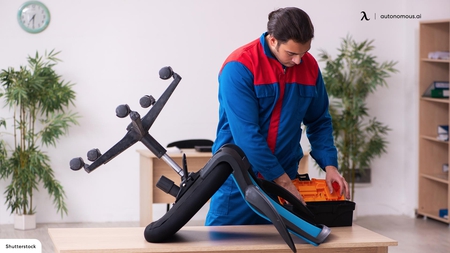
Credit: www.autonomous.ai
Preventive Care For Longevity
Taking care of your office chair helps it last longer. Preventive care avoids common problems.
Simple habits and regular checks keep your chair working well. This saves money and time.
Routine Cleaning
Clean your chair often to stop dirt buildup. Dust and spills can damage materials and parts.
Use a soft cloth and mild cleaner for most surfaces. Avoid harsh chemicals that cause wear.
- Wipe fabric or leather seats gently with a damp cloth
- Use compressed air to clear dust from crevices
- Clean wheels and base to remove hair and debris
- Dry all cleaned parts before use
Proper Usage Habits
Sit properly to reduce stress on the chair. Avoid leaning too far back or sideways.
Do not stand or jump on the chair. These actions can break parts or cause accidents.
- Keep weight within the chair’s limit
- Adjust height and tilt gently
- Use armrests to support your arms
- Move the chair carefully on smooth surfaces
Scheduled Inspections
Check your chair regularly to catch problems early. Look for loose screws or broken parts.
Tighten bolts and lubricate moving parts. Replace worn wheels or gas lifts as needed.
- Inspect wheels and casters for smooth movement
- Test gas lift for stable height adjustment
- Check armrests and backrest for firmness
- Listen for unusual noises when adjusting
Frequently Asked Questions
How Do I Tighten A Loose Office Chair?
To tighten a loose office chair, locate the screws or bolts under the seat. Use a screwdriver or wrench to tighten them securely. Ensure all components are aligned properly to avoid wobbling. Regular maintenance can prevent loosening. If the problem persists, consider consulting a professional for further inspection.
What Causes Office Chair Wheels To Jam?
Office chair wheels can jam due to accumulated dirt, hair, or debris. To fix this, remove the wheels and clean them thoroughly. Use a brush or cloth to remove any obstructions. Regular cleaning can prevent jamming, ensuring smooth movement. If wheels are damaged, replacing them might be necessary.
How Can I Fix A Sinking Office Chair?
A sinking office chair is often due to a faulty gas cylinder. To fix it, replace the gas cylinder with a new one. Ensure compatibility with your chair model. Alternatively, use a chair repair kit. Regular checks can prevent sinking issues, maintaining comfort and functionality.
Why Does My Office Chair Squeak?
Office chair squeaks are usually caused by friction between parts. Apply lubricating oil to the moving parts like springs and joints. Tighten any loose screws to reduce noise. Regular maintenance can keep your chair squeak-free. If the problem continues, professional help may be required.
Conclusion
Fixing your office chair can save money and time. Start by finding the problem clearly. Use basic tools and follow easy steps. Small repairs often improve comfort and chair life. Regular checks help avoid bigger issues later. Stay patient and work carefully on each part.
A well-maintained chair supports good posture and work. Keep this guide handy for future fixes. Your chair will feel like new again. Simple actions make a big difference in comfort.


