

Is your wooden bed frame making annoying squeaky noises every time you move? Those creaks can disrupt your sleep and make your bedroom feel less cozy.
But don’t worry—you can fix that squeak quickly and easily, even if you’re not a DIY expert. You’ll discover simple steps to silence your bed frame and enjoy peaceful nights again. Keep reading, and you’ll have your bed quiet and comfortable in no time.
Identify Squeak Sources
Squeaky wooden bed frames can disturb your sleep. Finding the source of the noise is important. It helps you fix the problem quickly.
Wood and metal parts can rub or loosen over time. Check different areas to spot where the noise comes from.
Check Bed Frame Joints
Bed frame joints often cause squeaks. Loose or worn joints make wood parts rub together.
Look closely at corners and connection points. Wiggle the frame to feel for movement or hear noise.
- Inspect screws and bolts for looseness
- Tighten any loose hardware with a screwdriver or wrench
- Look for cracks or splits in the wood around joints
- Apply wood glue to cracked joints if needed
Inspect Slats And Support
Slats hold the mattress and can cause squeaks if loose. Check each slat for fit and condition.
Slats that move or bend can rub against the frame. Look for worn spots or broken slats.
- Make sure slats rest firmly on the frame supports
- Replace any cracked or broken slats
- Use felt pads or tape to reduce friction between slats and frame
- Tighten screws or nails holding slats in place
Examine Mattress And Box Spring
Sometimes the mattress or box spring causes noise. Movement can create sounds between these parts and the frame.
Check if the mattress fits snugly on the frame. Loose fit can lead to shifting and squeaks.
- Look for broken springs or worn areas in the box spring
- Flip or rotate the mattress to see if noise changes
- Place a thin piece of fabric between mattress and frame to reduce rubbing

Credit: www.endurancebeds.co.uk
Tighten Loose Screws
A squeaky wooden bed frame often means loose screws. Tightening them can stop the noise. This fix is easy and saves money.
Follow simple steps to find and tighten screws. Check all parts of your bed frame carefully.
Gather Necessary Tools
Prepare tools before fixing your bed frame. Having the right tools makes the job faster and easier.
- Screwdriver (Phillips or flathead, depending on screws)
- Flashlight to see dark areas
- Wrench or pliers for bolts
- Replacement screws if needed
- Wood glue for extra support (optional)
Locate And Tighten Screws
Look closely at the bed frame joints. Find screws that are loose or missing. Use a flashlight if needed.
Turn screws clockwise with a screwdriver. Tighten until they feel secure but do not over-tighten. Check all screws around the frame.
Replace Damaged Fasteners
Check screws and bolts for damage. Replace any that are stripped or rusty. New fasteners hold better and stop noise.
- Remove damaged screws carefully
- Choose screws of the same size and type
- Insert new screws and tighten firmly
- Test the frame for stability after replacing
Lubricate Moving Parts
A squeaky wooden bed frame often makes noise where parts rub together. Lubricating these moving parts can stop the creaks. It helps wood and metal parts move smoothly.
Using the right lubricant and applying it correctly is important. Too much or too little can cause more problems.
Choose The Right Lubricant
Pick a lubricant that works well with wood and metal. Avoid sticky or thick oils that attract dust. Dry lubricants or silicone sprays are good options.
- Use silicone spray for smooth, clean lubrication
- Dry graphite powder works well for joints
- Avoid heavy oils that can stain wood
Apply To Joints And Slats
Focus on the parts that move or rub. Apply lubricant to the joints, bolts, and wooden slats. This reduces friction and stops noise.
- Remove dust and dirt before applying
- Spray or rub lubricant directly on moving parts
- Check under slats where wood meets wood or metal
Avoid Over-lubrication
Do not use too much lubricant. Excess can drip or attract dust. This can cause more noise or damage the wood.
- Apply a small amount first
- Wipe off extra with a cloth
- Repeat only if noise continues

Credit: hoolnn.com
Add Padding For Cushioning
A squeaky wooden bed frame can be noisy and annoying. Adding padding helps reduce friction and noise.
Padding cushions the contact points between wood parts. This stops them from rubbing and creaking.
Use Felt Pads Or Rubber
Felt pads and rubber are soft materials that absorb movement. They reduce noise by softening contact.
Choose pads thick enough to fill gaps but not too thick to loosen joints. Felt works well on wood.
- Felt pads are soft and easy to cut
- Rubber adds strong grip and cushioning
- Both are inexpensive and available in stores
Place Between Contact Points
Identify where wood parts touch and move against each other. These spots cause the squeaks.
Insert felt or rubber pads between these points. This creates a soft barrier that stops rubbing sounds.
- Check bed frame corners and joints
- Look under slats and side rails
- Place padding where wood meets wood
Secure Padding Properly
Make sure the padding stays in place while you move the bed. Loose pads will not fix the squeak.
Use strong adhesive or double-sided tape to attach the pads. Press firmly to ensure they stick well.
- Clean surfaces before applying padding
- Use tape or glue designed for wood
- Replace worn padding as needed
Reinforce Weak Areas
Squeaky wooden bed frames often have weak spots that cause noise. Strengthening these areas can stop the squeaks. You can fix it with simple tools and materials.
Focus on parts where wood moves or rubs together. Tightening and supporting these parts helps keep the frame solid and quiet.
Install Corner Brackets
Corner brackets add strength to bed frame joints. They prevent the wood from moving and reduce noise. Use metal brackets designed for furniture.
Attach brackets on the inside corners of the bed frame. Use screws that fit well to hold the brackets tight. This stops the frame parts from shifting.
- Choose metal corner brackets
- Drill pilot holes before screwing
- Secure brackets on all corners
- Check tightness regularly
Add Extra Slats Or Supports
Extra slats help spread weight evenly. This lowers stress on weak parts. Use sturdy wooden slats that fit your bed frame size.
Place the slats evenly across the frame. You can also add center supports under the slats for more strength. This stops sagging and creaks.
- Measure space between existing slats
- Cut slats to fit frame width
- Lay slats evenly with small gaps
- Install center legs or beams if needed
Repair Cracks And Splits
Cracks in wood cause movement and noise. Fill cracks with wood glue or wood filler to fix them. This makes the wood stronger and stops squeaks.
Clamp the cracked wood until the glue dries. Sand the area smooth after it sets. This prevents rough edges that can rub and make noise.
- Clean cracks before applying glue
- Use wood glue for best hold
- Clamp tightly for several hours
- Sand smooth after drying
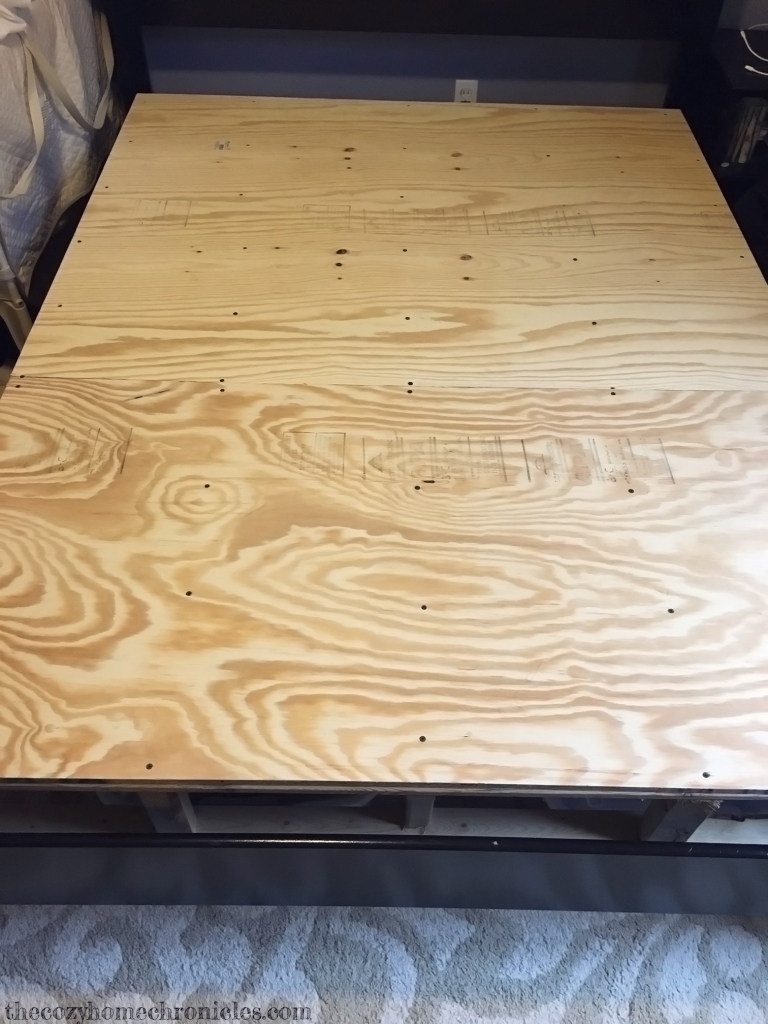
Credit: thecozyhomechronicles.com
Regular Maintenance Tips
A squeaky wooden bed frame can disturb your sleep. Regular maintenance helps keep it quiet and sturdy. Simple checks and care can prevent most noises.
Follow these maintenance tips to extend your bed frame’s life. They help keep your bed safe and comfortable.
Routine Tightening Checks
Loose screws and bolts cause most squeaks. Check all fasteners every few months. Tighten any that feel loose with the right tools.
Focus on joints, corners, and places where wood parts meet. Tightening stops parts from rubbing and making noise.
- Use a screwdriver or wrench that fits well
- Do not overtighten, as this can crack the wood
- Check metal brackets and supports too
Keep Bed Dry And Clean
Moisture can cause wood to swell and warp. Keep your bed frame dry to avoid damage and noise. Clean dust and dirt regularly to prevent buildup.
Use a dry cloth for dusting and avoid using wet cleaners. Make sure your room has good air circulation to reduce humidity around the bed.
- Wipe dust weekly with a soft cloth
- Use a dehumidifier if your room is damp
- Avoid placing the bed near windows or vents
Replace Worn Parts Promptly
Old or damaged parts cause creaks and weaken the bed. Check slats, screws, and brackets for wear. Replace any broken or worn parts quickly.
Using new parts keeps the frame strong and quiet. Use parts that match the original size and type for best fit.
- Inspect wooden slats for cracks or splits
- Replace rusted or bent screws and bolts
- Buy hardware from a reliable source
Frequently Asked Questions
Why Does My Wooden Bed Frame Squeak?
A wooden bed frame often squeaks due to loose joints or aging wood. Over time, wood can dry out or loosen. This causes friction and noise. Regular maintenance, like tightening screws and applying wood conditioner, can help prevent squeaking. Always ensure all parts are securely fastened.
How Can I Identify The Squeaky Part?
To identify the squeaky part, gently press on different sections of the bed. Listen for the noise. Focus on joints and connections, as these areas often cause squeaks. By isolating the sound, you can target the specific area that needs fixing.
What Tools Do I Need To Fix Squeaks?
To fix squeaks, you'll need a screwdriver, wood glue, and possibly a wrench. These basic tools help tighten loose screws and joints. Wood glue can be used for reinforcing joints. Having these tools handy ensures a quick and efficient repair.
Can Lubricant Fix A Squeaky Bed Frame?
Yes, lubricant can help reduce friction and silence squeaks. Use a silicone-based lubricant for best results. Apply it carefully to joints and connections. Avoid over-applying to prevent damage to the wood. Lubricant is a temporary solution, so regular maintenance is still necessary.
Conclusion
Fixing a squeaky wooden bed frame takes some simple steps. Tighten loose screws and bolts carefully. Add lubricant to joints to stop noise. Check for cracks or worn parts often. A quiet bed helps you sleep better. Small fixes save money and time.
Try these tips to enjoy peaceful nights again. Keep your bed sturdy for years to come. Easy care makes a big difference. No more creaks. Just comfort.


