Is your bed keeping you awake with annoying squeaks every time you move? A squeaky wooden bed frame can turn your peaceful sleep into a frustrating experience.
But don’t worry—you don’t need to replace your bed or call a costly handyman. You can fix those creaks yourself, quickly and easily. In this guide, you’ll discover simple, effective steps to silence your squeaky bed frame and enjoy a quiet, restful night.
Ready to stop the noise and sleep better? Let’s get started!
Identify The Squeak Source
A squeaky bed frame can disturb your sleep. Finding the exact source of the noise helps fix it quickly. Listen closely and move parts gently.
Some noises come from loose parts. Other sounds come from wood rubbing or pressure points. Start by checking common trouble spots.
Check Joints And Connections
Look at where the bed frame pieces join. These joints often loosen over time. Loose screws or bolts cause parts to move and squeak.
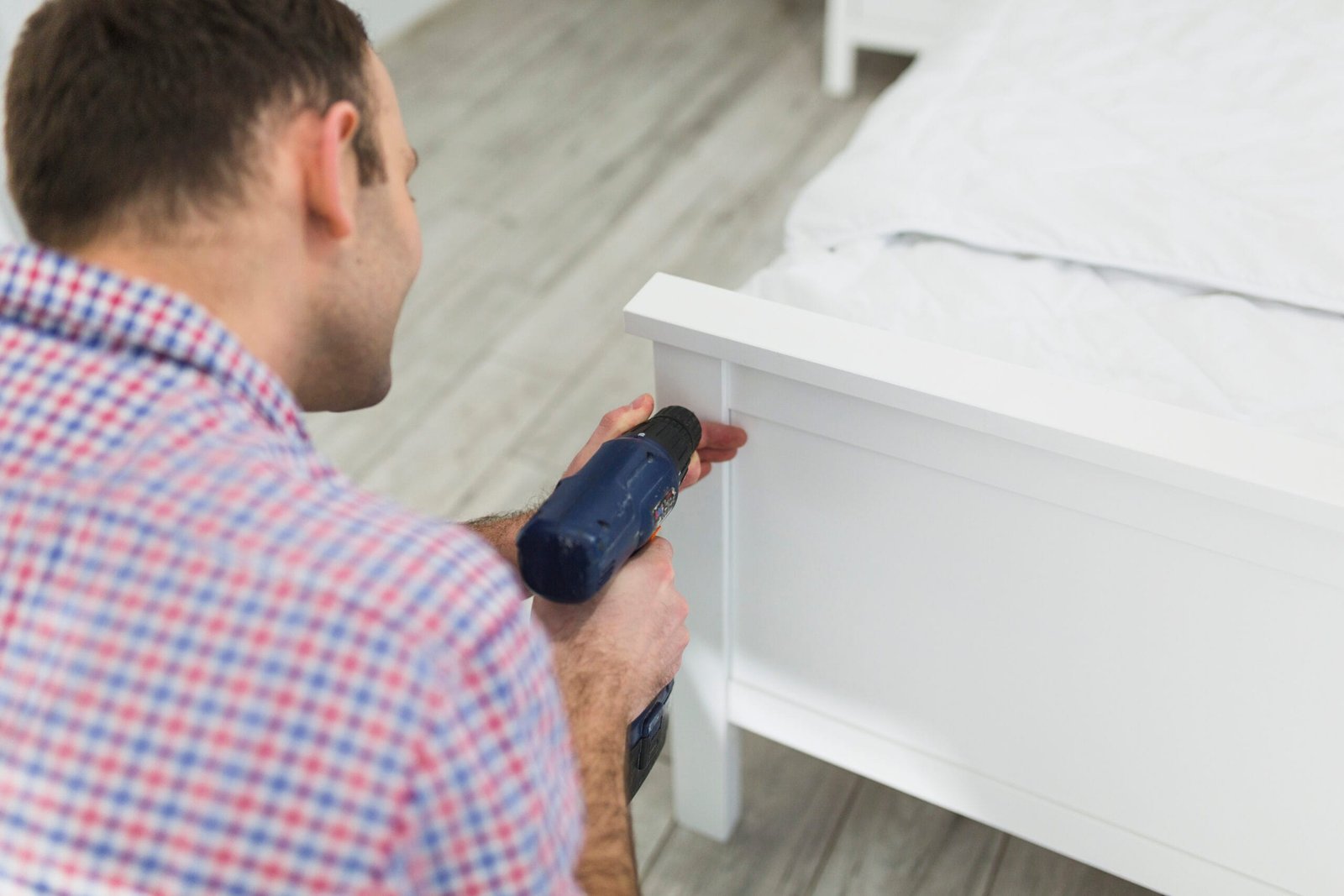
Tighten all screws and bolts with a screwdriver or wrench. If screws are stripped, replace them. Use wood glue for cracked joints.
- Inspect screws, bolts, and brackets
- Tighten any loose fasteners
- Replace damaged screws
- Apply wood glue to cracked joints
Inspect Wooden Slats And Frame
Wooden slats support the mattress. Check if any slats are cracked or broken. Broken slats cause uneven weight and noise.
Look at the frame itself for splits or warps. Wood rubbing wood can make creaks. Sand rough spots to smooth the wood.
- Find cracked or loose slats
- Replace or reinforce broken slats
- Check frame for splits or warping
- Sand rough wood areas
Test Weight And Movement
Put weight on the bed to hear where the squeak comes from. Move the frame gently to spot noisy parts. This helps find hidden problems.
Test different areas like head, foot, and sides. Note which spots make noise. This guides your repair efforts for best results.
- Apply pressure on different bed areas
- Move frame parts slowly
- Listen for squeaks or creaks
- Mark noisy spots for repair
Credit: dubaihousekeeping.com
Tighten Loose Screws And Bolts
A squeaky bed frame can be annoying and disrupt your sleep. Often, loose screws and bolts cause the noise.
Tightening these fasteners can stop the squeaks and make your bed sturdy again. Here is how to do it safely.
Gather Necessary Tools
Before you start, collect all the tools you will need. Having the right tools makes the job easier and faster.
- Screwdriver (flathead or Phillips, depending on screws)
- Adjustable wrench or socket wrench for bolts
- Flashlight to see in dark corners
- Lubricant (optional) for stubborn screws
- Cloth to clean dust and dirt
Locate Loose Fasteners
Find all the screws and bolts on your bed frame. Check each one to see if it feels loose or moves.
Focus on joints where parts connect. These spots often cause squeaks when fasteners are loose.
- Check corners and side rails
- Look under the bed frame
- Test by gently shaking or pressing the frame
- Listen for any creaking noises
Secure Screws And Bolts
Use your screwdriver or wrench to tighten each loose fastener. Turn clockwise until it feels snug but not too tight.
If screws or bolts are stuck, apply a small amount of lubricant first. Wipe off any dirt before tightening.
- Hold the frame steady while tightening
- Do not overtighten to avoid damage
- Check each fastener twice for security
- Test the bed frame after all fasteners are tight
Lubricate Moving Parts
A squeaky bed frame can disturb your sleep and cause frustration. Lubricating the moving parts can reduce or stop the noise.
Using the right lubricant helps wood parts move smoothly and prevents damage. Let’s explore how to do this safely and effectively.
Choose Safe Lubricants For Wood
Not all lubricants work well with wood. Some can stain or damage the surface. Choose lubricants that are safe for wooden furniture.
Natural oils and waxes are good choices because they protect the wood and reduce noise.
- Use beeswax or paraffin wax for joints
- Try mineral oil or furniture oil for smooth movement
- Avoid harsh chemicals like WD-40 on wood
Apply To Joints And Contact Points
The squeaks usually come from where wood parts touch or move against each other. Focus on these areas when applying lubricant.
Apply a small amount of lubricant directly to the joints and contact points. Move the frame gently to spread it evenly.
- Check corners and screws
- Look for gaps where wood rubs together
- Use a cloth to wipe off extra lubricant
Avoid Excessive Use
Too much lubricant can attract dust and make the wood sticky. This may cause more problems over time.
Use only a small amount and wipe off any extra. Repeat the process only if the squeak returns after some time.
- Apply sparingly for best results
- Clean the area before lubricating
- Reapply only when necessary

Credit: www.endurancebeds.co.uk
Add Padding Between Contact Points
Squeaky bed frames often result from wood parts rubbing together. Adding padding between these parts can stop the noise. Padding reduces friction and absorbs small movements.
Using soft materials between wood contact points is an easy fix. It is affordable and requires no special tools.
Use Felt Pads Or Fabric
Felt pads or pieces of fabric work well as padding. They create a soft layer that stops wood from rubbing loudly. You can find felt pads at hardware stores or reuse old cloth.
Cut the fabric or felt to fit the areas where wood parts touch. Make sure the pieces are thick enough to reduce noise but not too thick to affect the bed’s stability.
Place Between Frame And Slats
Identify where the frame and slats meet. These points often cause squeaks. Insert the felt or fabric pieces between the frame and each slat.
- Lift each slat slightly
- Slide padding between the slat and frame
- Press slat back into place
- Check if padding fits snugly
This padding absorbs movement and stops wood from rubbing as you move on the bed.
Check For Lasting Effect
Test the bed after adding padding to see if the squeak stops. Sometimes padding shifts or compresses over time. Check the contact points regularly.
- Press on different parts of the bed
- Listen for any new or returning squeaks
- Add more padding if needed
- Replace worn padding over time
Keeping the padding in good shape ensures your bed stays quiet for longer.
Reinforce Weak Areas
Squeaky bed frames often come from weak spots in the wood. Reinforcing these areas can stop the noise and make the bed stronger. Fixing weak parts is a simple way to keep your bed steady and quiet.
Look for joints and corners where the wood feels loose or shaky. These spots need extra support to prevent squeaks and damage. Use the right tools and materials for the best results.
Add Corner Braces
Corner braces help keep the bed frame joints tight. They add metal support to weak corners and stop movement that causes noise. Adding braces is quick and makes the frame much stronger.
Use screws and a drill to fix the braces. Position them inside the corners where the wood pieces meet. Make sure the braces fit well and do not block the mattress or slats.
- Choose corner braces that fit your bed frame size
- Pre-drill holes to avoid splitting the wood
- Tighten screws firmly but avoid over-tightening
Use Wood Glue For Cracks
Wood glue seals small cracks and stops them from growing. It binds the wood pieces tightly and reduces movement that causes squeaks. Use glue designed for wood for best hold.
Apply glue inside cracks using a small brush or stick. Clamp the wood pieces together until the glue dries. This process strengthens the frame and lowers noise from loose joints.
- Clean cracks before applying glue
- Use clamps or heavy objects to hold wood tightly
- Let glue dry for at least 24 hours
Replace Damaged Parts
Old or broken wood pieces cause squeaks and weaken the bed. Replace damaged parts with new wood to restore strength. Matching the wood type helps keep the frame stable.
Remove the damaged part carefully. Cut or order a new piece that fits exactly. Attach it using screws and wood glue for a solid repair. Check the frame after replacement to ensure it feels tight.
- Measure damaged parts before buying new wood
- Use wood that matches the bed’s thickness and type
- Secure new parts with screws and glue
Regular Bed Frame Maintenance
Keeping your wooden bed frame well-maintained helps stop annoying squeaks. Regular care keeps it strong and quiet.
Simple maintenance tasks prevent damage and extend the life of your bed frame. Check it often to avoid problems.
Schedule Periodic Inspections
Look over your bed frame every few months. Check all joints and screws to find loose parts early.
Inspect areas where wood pieces meet. Tighten screws or bolts to keep the frame stable and silent.
- Check screw tightness
- Look for cracks or splits
- Examine corner joints
- Test frame for wobbling
Clean And Dust Frame
Dust and dirt can cause friction and noise in wooden parts. Clean the frame to reduce squeaks.
Use a soft cloth or brush to remove dust. Avoid wet cleaning that can damage the wood.
- Wipe with dry cloth weekly
- Use a soft brush for corners
- Avoid harsh chemicals
- Keep the frame dry
Monitor For New Squeaks
Listen carefully for new noises after cleaning or moving the bed. Catch squeaks early to fix them fast.
Note where the sound comes from and check those spots. Tighten or lubricate joints to stop the noise.
- Test the bed by moving it gently
- Focus on noisy joints
- Tighten screws or bolts
- Apply wax or lubricant if needed

Credit: hoolnn.com
Frequently Asked Questions
How Do I Stop My Wooden Bed From Squeaking?
To stop your wooden bed from squeaking, first identify the noise source. Tighten all screws and bolts to ensure stability. Apply wax or a silicone spray on joints to reduce friction. Consider adding felt pads between the frame and mattress for added cushioning and noise reduction.
Why Does My Wooden Bed Frame Squeak?
A wooden bed frame may squeak due to loose joints, worn-out screws, or friction between components. Wood expansion and contraction with temperature changes can also cause noise. Identifying the exact source will help you apply the right fix, ensuring a quieter sleep environment.
Can Lubricating Joints Help A Squeaky Bed?
Yes, lubricating joints can help reduce bed squeaks. Use a silicone spray or furniture wax to minimize friction between wooden components. Apply the lubricant to joints and moving parts. This simple step can significantly reduce squeaky noises, providing a more peaceful sleep experience.
Is It Safe To Sleep On A Squeaky Bed?
Sleeping on a squeaky bed is generally safe, but it can be annoying. Persistent squeaking may indicate loose parts, which could lead to structural instability over time. Regularly checking and tightening screws and bolts ensures safety and prolongs the bed's lifespan, enhancing your overall comfort.
Conclusion
Fixing a squeaky wooden bed frame is easier than it seems. Tighten loose screws and bolts first. Add lubricant like wax or oil to quiet creaks. Check for worn parts and replace if needed. Small steps make a big difference.
Enjoy a peaceful, noise-free sleep tonight. Simple fixes keep your bed strong and quiet. No more annoying squeaks to disturb your rest.