Choosing the right mattress topper can change the way you sleep—and feel every morning. But how thick should a mattress topper be to give you the perfect balance of comfort and support?
If it’s too thin, you might not notice any difference. Too thick, and it could make your bed feel strange or even uncomfortable. You want a topper that fits your needs, your body, and your sleep style perfectly. Keep reading, and you’ll discover exactly what thickness works best for you, so you can wake up refreshed and ready to take on the day.
Mattress Topper Basics
A mattress topper is a thin layer added on top of your mattress. It can change how soft or firm your bed feels.
Choosing the right thickness is important. It affects comfort and support while you sleep.
Purpose Of A Mattress Topper
A mattress topper makes your bed more comfortable. It can add softness or extra support.
It also protects your mattress from wear and spills. Some toppers help regulate temperature while you sleep.
- Adds extra comfort to a firm mattress
- Provides extra support for back or joints
- Protects mattress from stains and damage
- Improves mattress lifespan
- Helps keep you cool or warm
Common Materials Used
Mattress toppers come in many materials. Each type feels different and offers unique benefits.
Choosing the right material depends on your needs and budget.
- Memory Foam:Soft, molds to your body, relieves pressure.
- Latex:Bouncy, durable, naturally resistant to dust mites.
- Feather/Down:Soft and plush but needs fluffing often.
- Polyester Fiberfill:Affordable, adds softness, less durable.
- Wool:Regulates temperature, natural and breathable.
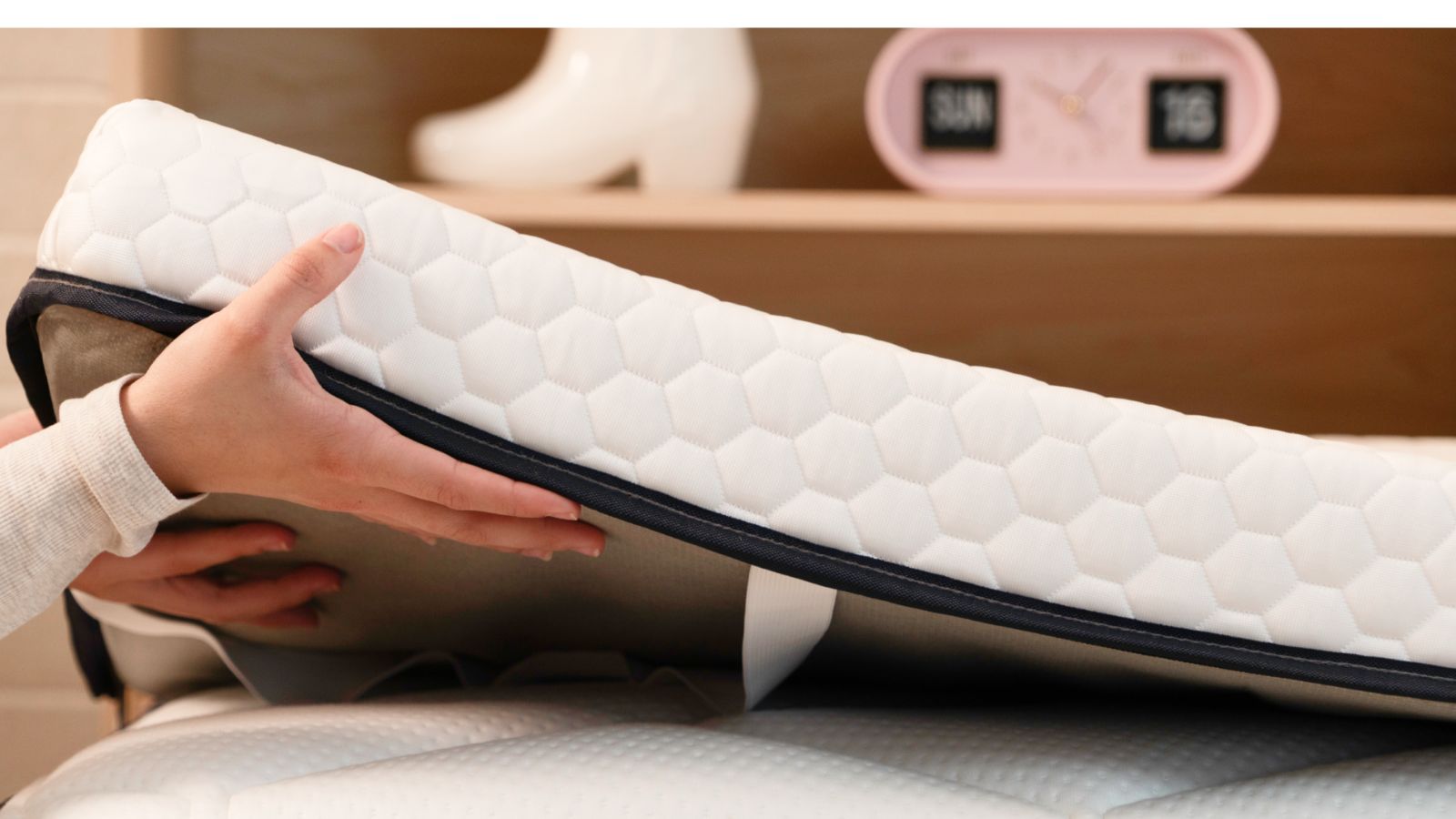
Credit: www.homesandgardens.com
Thickness Options
Mattress toppers come in different thicknesses. The thickness you choose affects comfort and support.
Knowing the thickness options helps you pick the right topper for your bed.
Thin Toppers: 1 To 2 Inches
Thin toppers are light and easy to handle. They add a small layer of softness without changing your mattress feel much.
These toppers suit people who want slight comfort or want to protect their mattress.
- Best for adding light cushioning
- Good for firm mattresses
- Easy to clean and store
- Less expensive option
Medium Toppers: 3 To 4 Inches
Medium toppers offer more comfort and support. They change the mattress feel noticeably for better sleep.
These toppers suit most sleepers who want balance between softness and support.
- Provides good pressure relief
- Improves mattress comfort well
- Suitable for most sleeping positions
- Usually made of memory foam or latex
Thick Toppers: 5 Inches And Above
Thick toppers offer the most comfort and support. They can change an old mattress feel completely.
These toppers are good for people with chronic pain or who want a very soft sleeping surface.
- Deep cushioning and pressure relief
- May add extra height to bed
- Best for worn-out mattresses
- Usually made of high-quality foam
Choosing Thickness By Mattress Type
Picking the right mattress topper thickness depends on your mattress type. The right thickness adds comfort and support.
Different mattresses need different topper thicknesses to improve sleep quality. Let’s look at choices for each type.
Firm Mattresses
Firm mattresses feel hard and may need a thicker topper. A thicker topper softens the bed and adds pressure relief.
Choose a topper around 3 to 4 inches thick. This thickness cushions your body well without losing support.
- 3-4 inches softens the surface
- Helps relieve pressure points
- Improves comfort on hard mattresses
Soft Mattresses
Soft mattresses already feel plush. A thinner topper is best to keep some firmness and support.
Pick a topper about 1 to 2 inches thick. This adds a little comfort without making the mattress too soft.
- 1-2 inches adds light comfort
- Maintains mattress support
- Prevents sinking too deep
Old Or Worn Mattresses
Old mattresses may sag and lose support. A thicker topper can help fix this by adding padding and firmness.
Look for toppers that are 3 to 4 inches thick. They help even out the surface and improve comfort.
- 3-4 inches evens sagging areas
- Adds firmness to worn mattresses
- Improves sleep on older beds

Credit: www.amazon.ca
Personal Comfort Factors
Choosing the right mattress topper thickness depends on your personal comfort needs. Different factors affect how thick your mattress topper should be.
Understanding these factors helps you pick a topper that improves your sleep quality. Comfort is not one-size-fits-all.
Sleeping Position
Your sleeping position affects the pressure on your body. Side sleepers need thicker toppers for better cushioning.
Back and stomach sleepers usually prefer thinner toppers to keep firm support. Thickness helps reduce pressure points.
- Side sleepers: 3 to 4 inches for pressure relief
- Back sleepers: 2 to 3 inches for balanced support
- Stomach sleepers: 1 to 2 inches to avoid sinking
Body Weight
Heavier people need thicker mattress toppers to prevent feeling the hard mattress below. Thicker toppers provide better support.
Lighter people do better with thinner toppers that add softness without too much sink. Thickness affects comfort and support balance.
- Lightweight (under 130 lbs): 1 to 2 inches
- Average weight (130-230 lbs): 2 to 3 inches
- Heavyweight (over 230 lbs): 3 to 4 inches or more
Health Conditions
People with back pain or joint issues may need thicker toppers for extra cushioning. This helps reduce aches and pains.
Thicker toppers can also help with pressure relief for conditions like arthritis. Choose a topper that supports your health needs.
- Back pain: thicker toppers for spine support
- Joint pain: softer, thicker toppers for cushioning
- Allergies: consider hypoallergenic materials regardless of thickness
Material Impact On Thickness
The thickness of a mattress topper depends on its material. Each material has unique features that affect comfort and support.
Choosing the right thickness helps improve sleep quality and mattress life. Let's look at how materials influence thickness.
Memory Foam Toppers
Memory foam toppers usually range from 2 to 4 inches thick. This thickness helps the foam mold to your body and relieve pressure.
Thicker memory foam toppers provide more cushioning but can feel softer. Thinner ones offer slight comfort with more mattress support.
- 2 inches: light cushioning and mattress protection
- 3 inches: good balance of comfort and support
- 4 inches: deep contouring and pressure relief
Latex Toppers
Latex toppers often come in 1 to 3 inches thickness. They feel firmer than memory foam and offer strong support.
Thicker latex toppers add bounce and durability. Thinner ones improve comfort without changing mattress feel much.
- 1 inch: subtle comfort and mattress protection
- 2 inches: noticeable support and pressure relief
- 3 inches: firm support with added softness
Feather And Down Toppers
Feather and down toppers are usually 2 to 4 inches thick. They add softness and a plush feel to the bed.
These toppers compress easily and do not add much support. Thicker toppers create a more cushioned sleeping surface.
- 2 inches: light softening and warmth
- 3 inches: medium plushness and cushioning
- 4 inches: very soft and cozy surface
Polyester And Wool Toppers
Polyester and wool toppers vary from 1 to 3 inches thick. They offer moderate softness and temperature control.
Wool toppers provide natural breathability and warmth. Polyester adds light cushioning but is less durable than other materials.
- 1 inch: slight softness and mattress protection
- 2 inches: moderate cushioning and comfort
- 3 inches: enhanced softness with warmth
Durability And Thickness
Choosing the right thickness for a mattress topper affects how long it lasts. Thickness also changes how comfortable the topper feels.
Thicker toppers can offer more support but may wear out differently than thinner ones. Understanding durability helps you pick the best option.
Longevity Of Thin Vs Thick Toppers
Thin mattress toppers usually last less time than thick ones. They have less material, so they wear out faster.
Thick toppers hold up better because they have more padding. They keep their shape longer but can be heavier to handle.
- Thin toppers may need replacement every 1-2 years
- Thick toppers can last 3-5 years with care
- Thicker toppers resist sagging and lumps better
- Thin toppers are easier to clean and move
Maintenance Tips
Proper care helps your mattress topper last longer. Both thin and thick toppers need regular cleaning and airing out.
Check the topper’s care label for cleaning instructions. Avoid harsh chemicals and direct sunlight to keep materials strong.
- Vacuum the topper weekly to remove dust and dirt
- Spot clean stains with mild soap and water
- Air out the topper in a dry, shaded place monthly
- Use a mattress protector to reduce wear and stains
- Rotate the topper every few months to prevent uneven wear
Cost Considerations
Choosing the right mattress topper thickness affects both comfort and price. Thicker toppers usually cost more but can add more support.
Understanding how thickness impacts cost helps you pick a topper that fits your budget and needs.
Price Differences By Thickness
Thicker mattress toppers use more material, which raises the price. Thin toppers are cheaper but offer less cushioning.
Prices often rise steadily as thickness increases. For example, a 2-inch topper costs less than a 4-inch one.
- 1 to 2 inches: Lowest price, basic comfort
- 3 inches: Moderate price, good support
- 4 inches or more: Highest price, extra cushioning
Value Vs Comfort
Thicker toppers give more comfort but cost more. Thin toppers save money but may not improve sleep quality much.
Look for a balance between price and comfort that fits your budget and sleeping style.
- Thin toppers: Good for small budgets, less support
- Medium thickness: Best value, decent comfort
- Thick toppers: Best comfort, higher cost

Credit: www.tomsguide.com
Tips For Measuring And Fitting
Choosing the right mattress topper thickness is important for comfort. Measuring and fitting it properly helps you get the best rest.
Use simple tools like a tape measure to find the right size. Check how the topper fits with your mattress and bedding.
Matching Topper Size To Mattress
Make sure the mattress topper matches your mattress size exactly. A topper that is too small or too big will not fit well.
Measure the length and width of your mattress before buying a topper. Choose a topper that has the same dimensions.
- Measure mattress length and width with a tape measure
- Select a topper with matching length and width
- A snug fit prevents slipping during sleep
Height Compatibility With Bedding
Check the total height of your mattress and topper combined. This helps you choose bedding that fits well over both.
Too thick a topper may make your sheets too tight. Too thin may not add enough comfort or protection.
| Topper Thickness | Recommended Bedding Type |
|---|---|
| 1 to 2 inches | Standard fitted sheets |
| 3 to 4 inches | Deep pocket fitted sheets |
| 5 inches or more | Extra deep pocket fitted sheets |
Frequently Asked Questions
What Is The Ideal Mattress Topper Thickness?
The ideal mattress topper thickness is typically between 2 to 4 inches. This range balances comfort and support without altering mattress firmness drastically.
Does Mattress Topper Thickness Affect Sleep Quality?
Yes, thickness impacts comfort and spinal alignment. Thicker toppers offer more cushioning, while thinner ones add slight softness without major changes.
Which Mattress Topper Thickness Suits Side Sleepers Best?
Side sleepers often prefer 3 to 4-inch thick toppers. This thickness cushions shoulders and hips, reducing pressure points for better rest.
Can Too Thick A Mattress Topper Cause Discomfort?
Yes, toppers over 4 inches may feel too soft. Excess thickness can cause improper support and affect sleeping posture negatively.
Conclusion
Choosing the right mattress topper thickness matters a lot. A thinner topper adds slight comfort without changing firmness. Thicker toppers offer more support and softness. Think about your mattress condition and sleeping style. Balance comfort and support to improve your sleep quality.
A good topper helps you rest better and wake refreshed. Take time to pick the best thickness for your needs. Sweet dreams start with the right mattress topper thickness.