

Are you wondering how long your memory foam mattress will truly last? You might be surprised to learn that keeping a mattress past its prime can affect your sleep quality and even your health.
Knowing when to replace your memory foam mattress is key to waking up refreshed and pain-free. You’ll discover clear signs it’s time for a new mattress and simple tips to help you make the right choice. Keep reading to find out how often you should replace your memory foam mattress and ensure every night’s rest is your best yet.

Credit: www.restedpillow.com
Signs To Replace Your Mattress
Memory foam mattresses usually last about 7 to 10 years. Over time, they lose comfort and support. Knowing when to replace your mattress helps you sleep better.
Look for signs that show your mattress is worn out. These signs include physical damage and changes in how you feel while sleeping.
Sagging And Indentations
Sagging happens when parts of the mattress sink lower than others. Indentations are permanent dips where your body rests.
These changes make your mattress uneven. Sleeping on a sagging mattress can cause back pain and poor sleep quality.
- Look for visible dips or low spots
- Check if your body sinks too much
- Feel if the mattress surface is no longer flat
Loss Of Support
A good mattress supports your body evenly. If your memory foam feels soft but not supportive, it may be time to replace it.
Loss of support can cause aches and pains. You may wake up feeling stiff or tired despite sleeping enough hours.
- Notice if you feel pressure points while lying down
- Check if your spine does not stay aligned
- Feel if the mattress no longer holds your weight evenly
Unusual Odors
Memory foam can absorb smells over time. Bad odors come from sweat, dust, or moisture trapped inside.
Persistent smells are a sign that your mattress is old or not clean. These odors can affect your sleep quality and health.
- Smell your mattress for musty or sour odors
- Check for signs of mold or mildew
- Notice if the smell does not go away after airing out
Increased Allergies
Old mattresses collect dust mites, pet dander, and allergens. These can cause sneezing, itching, and breathing problems.
If you notice more allergy symptoms at night or in the morning, your mattress may be the cause.
- More sneezing or coughing while in bed
- Itchy or watery eyes at bedtime
- Worsening asthma or allergy symptoms
Typical Lifespan Of Memory Foam Mattresses
Memory foam mattresses offer good comfort and support. Knowing how long they last helps you plan for a replacement.
The lifespan depends on several things like quality, use, and care. Usually, they last a few years before needing a new mattress.
Standard Durability Range
Most memory foam mattresses last between 7 and 10 years. This range depends on the mattress density and thickness.
Higher density foams tend to last longer. Cheaper foams may wear out in less than 7 years.
- Low-density foam: 5 to 7 years
- Medium-density foam: 7 to 10 years
- High-density foam: 10 years or more
Factors Affecting Lifespan
Several factors change how long a memory foam mattress lasts. Weight, usage, and care all matter.
Heavy people may compress the foam faster. Using a mattress protector helps keep it clean and dry.
- Body weight and sleeping position
- Frequency of use (daily or guest bed)
- Quality of foam and mattress construction
- Proper support from bed frame
- Regular cleaning and maintenance
Warranty Periods
Memory foam mattresses usually come with warranties between 5 and 10 years. The warranty covers defects in materials and workmanship.
Warranties do not cover normal wear or damage from misuse. Check warranty details before buying to understand coverage.
- 5-year warranty: Basic coverage for defects
- 8-year warranty: Common for mid-range mattresses
- 10-year warranty: Covers high-quality mattresses
Impact Of Usage On Mattress Longevity
Memory foam mattresses can last for many years. How long they last depends on how you use them.
Daily habits and care play a big role in the mattress's lifespan.
Weight And Sleeping Positions
Heavier people put more pressure on the mattress. This can cause the foam to wear out faster.
Sleeping positions also affect mattress wear. Side sleepers press the mattress in one area more.
- Heavier weight may shorten mattress life by 1-2 years
- Side sleeping causes more pressure on hips and shoulders
- Back sleepers distribute weight evenly, reducing wear
- Stomach sleepers may cause uneven foam compression
Frequency Of Use
A mattress used every night wears out faster than one used occasionally.
Guest beds or spare mattresses last longer due to less use.
- Daily use shortens mattress life by about 2-3 years
- Occasional use helps maintain the foam's shape
- Rotate mattresses used often to spread wear evenly
Maintenance Practices
Cleaning and caring for your mattress helps it last longer.
Good practices prevent damage and keep the foam supportive.
- Use a mattress protector to avoid stains and spills
- Rotate the mattress every 3 months to prevent sagging
- Keep the mattress dry to avoid mold and foam damage
- Vacuum regularly to remove dust and allergens
Tips To Extend Mattress Life
Memory foam mattresses offer great comfort but need care to last long. Taking simple steps can keep your mattress fresh.
These tips help you get the most years from your mattress before replacement.
Regular Cleaning
Cleaning your mattress removes dust, sweat, and allergens. This keeps the foam healthy and smelling fresh.
Vacuum the mattress surface every few weeks. Spot clean stains with mild soap and water. Avoid soaking the foam.
Proper Support Base
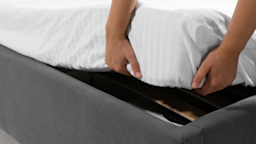
A strong base supports the mattress evenly. This prevents sagging and damage to the foam layers.
Use a solid platform or slatted frame with close slats. Check the base often to make sure it stays sturdy.
- Flat wooden platform
- Metal frame with slats no more than 3 inches apart
- Adjustable bed base suitable for memory foam
Using Mattress Protectors
A mattress protector shields from spills, stains, and dirt. It keeps the mattress clean and dry.
Choose a breathable protector to avoid trapping heat. Wash the protector regularly to maintain hygiene.
- Waterproof covers stop liquid damage
- Dust mite resistant fabrics reduce allergies
- Easy to remove and clean
Rotating And Flipping
Rotate your mattress every 3 to 6 months. This spreads wear evenly and prevents lumps.
Most memory foam mattresses are one-sided. Check if your mattress can flip. If yes, flip it to extend life.
- Rotate head to foot to balance use
- Flip mattress if both sides are usable
- Follow manufacturer instructions for flipping
When To Upgrade For Better Sleep
Memory foam mattresses offer comfort and support for many years. Still, they do not last forever. Knowing when to replace your mattress helps you sleep well.
Replacing your memory foam mattress at the right time can improve your rest. It also prevents health problems caused by old mattresses.
Persistent Discomfort
If you wake up feeling sore or stiff, your mattress may need replacing. Old memory foam loses its shape and support. This causes pressure points and pain.
Check for lumps or sagging areas. These signs mean the foam no longer supports your body well. Persistent discomfort can lower your sleep quality.
- Waking up with aches or pains
- Feeling tired despite enough sleep
- Visible sagging or lumps in the mattress
Changes In Health
Your health needs may change over time. If you develop allergies or asthma, an old mattress may worsen symptoms. Memory foam can collect dust mites and allergens.
Also, if you gain or lose a lot of weight, your mattress may not support your new body shape well. Upgrading helps you find better comfort and support.
- New allergies or breathing problems
- Significant weight changes
- Need for better spinal support
Advancements In Mattress Technology
Memory foam mattresses improve over time. New materials offer better cooling and support. If your mattress is over 7 years old, newer options can boost comfort.
Modern foams reduce heat and pressure better. They also last longer and resist allergens. Upgrading lets you enjoy these benefits for better sleep.
- Improved cooling features
- Better pressure relief
- Longer-lasting materials
- Hypoallergenic options

Credit: www.goodrx.com
Credit: www.goodrx.com
Frequently Asked Questions
How Long Does A Memory Foam Mattress Last?
A memory foam mattress typically lasts 7 to 10 years. Its durability depends on quality, usage, and care. Regular cleaning and rotating can extend its lifespan. Signs of wear indicate it’s time to replace for better sleep and support.
What Factors Affect Memory Foam Mattress Lifespan?
Factors include mattress density, usage frequency, weight distribution, and maintenance. Higher density foams last longer. Proper care like cleaning and rotating prevents sagging. Heavy use or poor maintenance shortens lifespan. Quality materials generally ensure better durability.
How To Know When To Replace Memory Foam Mattress?
Replace your mattress if you notice sagging, lumps, or discomfort. Waking up with aches or poor sleep quality also signals replacement time. If your mattress is over 10 years old, consider upgrading for improved support and hygiene.
Can Cleaning Extend Memory Foam Mattress Life?
Yes, regular cleaning removes dust mites and allergens, preserving mattress quality. Use vacuuming and spot cleaning with mild detergents. Avoid soaking the foam to prevent damage. Clean mattresses maintain comfort and extend usable life.
Conclusion
A memory foam mattress usually lasts about 7 to 10 years. Over time, it loses support and comfort. Sleeping on an old mattress can cause aches and poor rest. Check for sagging or lumps regularly. Replace your mattress when it no longer feels cozy.
Taking care of your mattress helps it last longer. A good mattress supports better sleep and health. Remember, a fresh mattress means better mornings and more energy. Choose wisely and sleep well every night.


