When you’re setting up your living room, one question often pops up: how much space do you really need around a coffee table? It’s more than just a measurement—getting this right can make your room feel open and comfortable or cramped and awkward.
You want your space to flow naturally, so moving around is easy and your guests feel relaxed. You’ll discover the simple rules to find the perfect gap around your coffee table, making your room look balanced and inviting. Keep reading, and you’ll learn how a few inches can transform your entire living space.
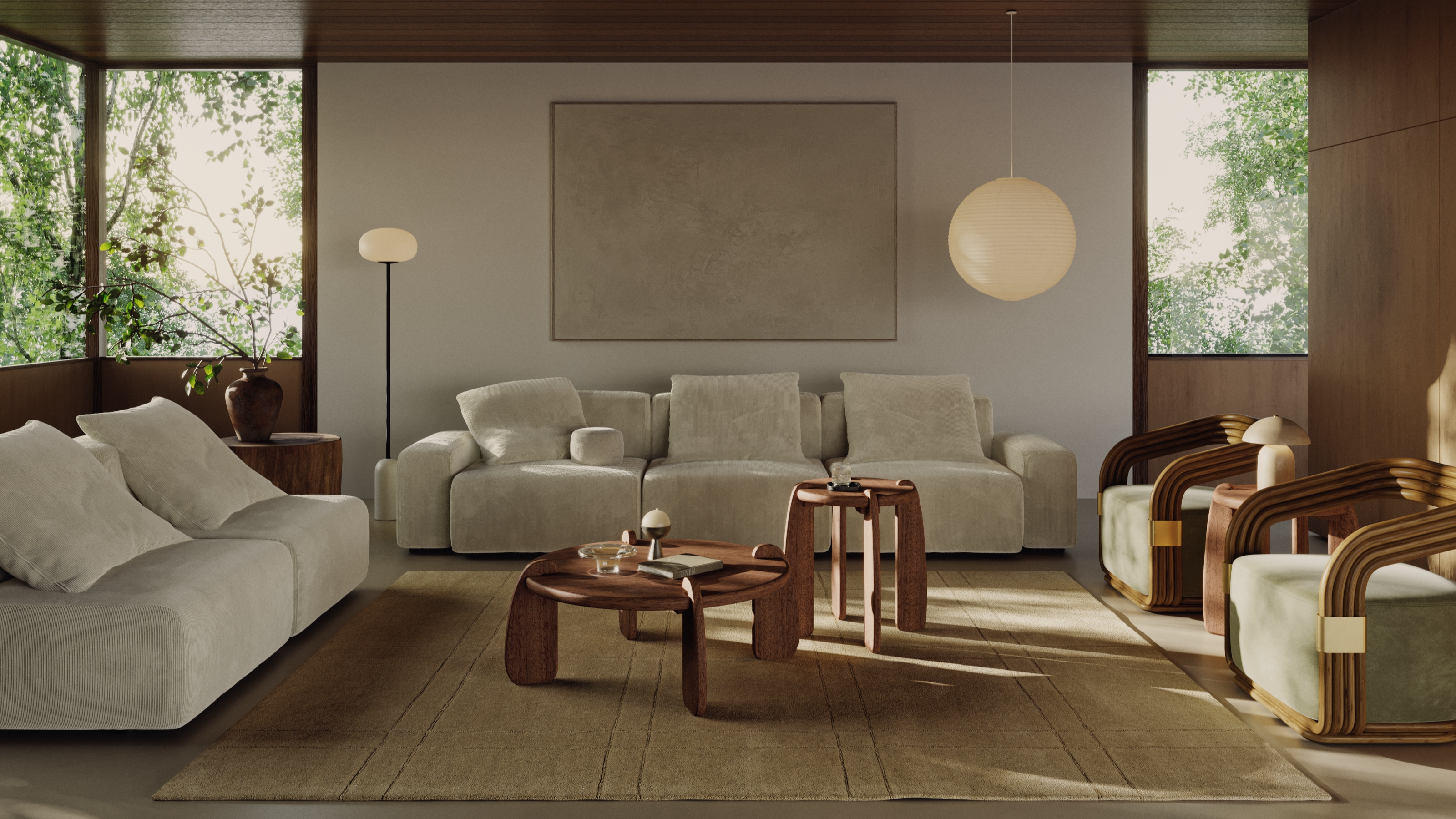
Credit: www.livingetc.com
Ideal Clearance Around Coffee Tables
Choosing the right space around your coffee table helps keep your room comfortable. It makes walking easy and furniture easy to use.
Clearance depends on your room size, table shape, and how you use the space.
Standard Space Recommendations
Most experts suggest leaving at least 18 inches around a coffee table. This allows people to move freely and reach the table without trouble.
If you want a bit more comfort, 24 inches is ideal. It gives extra room for walking and pulling out chairs.
- Minimum clearance: 18 inches
- Better clearance: 24 inches
- Less than 18 inches feels cramped
Adjusting For Room Size
In small rooms, you may reduce clearance to 12-15 inches. This keeps the space usable without crowding.
Large rooms can handle more space around the table. You can increase clearance to 30 inches or more for easy movement.
- Small rooms: 12-15 inches clearance
- Medium rooms: 18-24 inches clearance
- Large rooms: 24-30+ inches clearance
Considering Table Shape And Size
Round tables need less clearance because they have no corners to bump. Square and rectangular tables need more space to move around.
Bigger tables require more space. Small tables allow tighter clearance but still need enough room for comfort.
| Table Shape | Recommended Clearance |
|---|---|
| Round | 18-24 inches |
| Square | 20-24 inches |
| Rectangular | 24-30 inches |
| Small Tables (under 36") | 12-18 inches |
| Large Tables (over 36") | 24-30 inches |
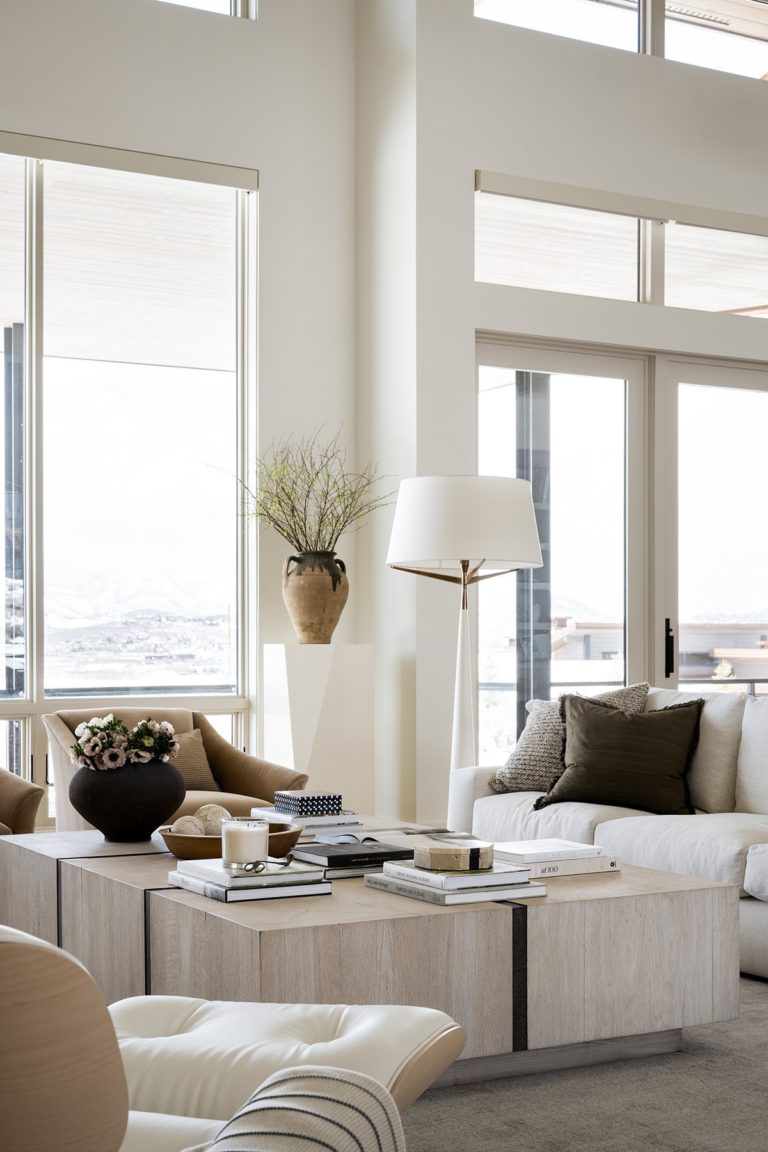
Credit: jane-athome.com
Balancing Comfort And Functionality
Choosing the right amount of space around a coffee table is important. It helps keep the room comfortable and practical.
Too little space makes moving hard. Too much space can make the room look empty. Finding balance is key.
Allowing Easy Movement
People need enough space to walk around the coffee table easily. This prevents bumping into furniture.
A good rule is to leave at least 18 inches between the coffee table and other furniture. This space helps people move freely.
- 18 inches allows comfortable walking space
- Less than 18 inches feels tight and crowded
- More than 24 inches might break the room’s flow
Maintaining Visual Balance
Space around the coffee table affects how the room looks. Proper spacing keeps the room balanced and inviting.
Too small a space makes the area look cluttered. Too large a space can make the table seem out of place.
- Keep furniture proportional to room size
- Use space to highlight the coffee table
- Balance open space with furniture grouping
Accommodating Seating Arrangements
The space around a coffee table must fit seating comfortably. People should reach the table without stretching.
Leave about 18 inches between the table and chairs or sofas. This distance allows easy access and use.
- 18 inches gives enough legroom
- Allows easy reach for drinks and snacks
- Keeps seating area open and comfortable
Special Considerations For Small Spaces
Small rooms need careful planning to fit a coffee table well. Space around the table affects comfort and movement.
Too little space makes the area feel crowded. Too much space wastes room that could be useful.
Maximizing Usable Area
Keep at least 18 inches of space around the coffee table. This allows easy walking and reaching for items.
In small spaces, use furniture with slim profiles. Avoid bulky pieces that block paths or make the room tight.
- Place the table close to seating to save space
- Use multi-functional furniture to reduce clutter
- Keep pathways clear for smooth movement
Choosing Compact Tables
Pick coffee tables that fit your room size. Round or oval tables take up less space and improve flow.
Look for tables with storage to reduce extra furniture. Choose light colors to make the room feel larger.
- Tables with shelves or drawers add storage
- Glass or acrylic tables appear less bulky
- Smaller tables fit better in tight spots
Flexible Layout Ideas
Try moving furniture to find the best layout. Angle the coffee table or use nesting tables for flexibility.
Use lightweight tables that are easy to move. This helps you change the space for different needs.
- Place tables on wheels for easy repositioning
- Use nesting tables that stack when not in use
- Angle furniture to open up walking paths
Credit: www.raymourflanigan.com
Tips For Large Rooms
Large rooms offer many choices for placing a coffee table. You need enough space around it for comfort and style.
Knowing how much space to leave helps keep the room balanced and easy to move in.
Creating Cozy Zones
Use the coffee table to build a small, cozy area in a big room. Group chairs and sofas around it.
Leave at least 18 inches between the coffee table and seats. This space allows easy reach and walking.
- Place rugs under the table and chairs to define the area
- Use soft lighting to make the zone inviting
- Keep pathways clear around the zone
Using Multiple Tables
Large rooms can hold more than one coffee table. Use smaller tables to fill empty spaces.
Keep about 18-24 inches between each table and furniture. This space stops the room from feeling crowded.
- Mix shapes like round and square tables for interest
- Use side tables near sofas for extra surface space
- Move tables easily to change the room’s look
Enhancing Room Flow
Good flow means people can walk freely in the room. Leave at least 24 inches of space to walk around the coffee table.
Arrange furniture to guide movement naturally. Avoid blocking paths with large tables or chairs.
- Keep main walkways wide and clear
- Place the coffee table centered but not too close to doors
- Check that all seating has easy access to the table
Safety And Accessibility Factors
Choosing the right space around a coffee table is important for safety and ease of use. It helps people move freely and avoid accidents.
Good spacing makes a room look open and welcoming. It also keeps the area safe for everyone, including children and people with disabilities.
Avoiding Tripping Hazards
Leave enough space around the coffee table to prevent tripping. Crowded areas can cause people to bump into furniture.
At least 18 inches of clearance around the table helps people walk safely and avoid falls.
- Keep pathways clear of clutter
- Use rugs that lie flat to avoid edges
- Ensure good lighting around the table
Ensuring Wheelchair Access
Allow enough space for wheelchair users to move around the coffee table. Narrow spaces can block access.
A space of at least 24 to 30 inches on all sides lets wheelchairs pass comfortably and safely.
- Measure the width of wheelchairs in your home
- Keep pathways wide and clear
- Choose tables with rounded edges to avoid injuries
Child-friendly Spacing
Children need space to move safely around the coffee table. Crowded areas can cause bumps and bruises.
Keep at least 18 to 24 inches of space around the table. This spacing helps prevent accidents and allows adults to supervise easily.
- Use soft edges or corner protectors
- Avoid small objects on or near the table
- Keep the area tidy to reduce risks
Materials And Styling Impact
Choosing the right space around a coffee table depends on the table’s material and style. These factors affect how much room looks balanced and comfortable.
Different materials and styles change the table’s visual weight and how it fits with other furniture pieces.
Visual Weight Of Tables
Tables made from heavy materials like solid wood feel bigger and heavier in a room. They need more space around them to avoid crowding.
Glass or metal tables look lighter and take up less visual space. You can place them closer to other furniture without making the room feel tight.
- Heavy wood tables: allow 18-24 inches around for balance
- Glass or metal tables: 14-18 inches space works well
- Light materials need less space but watch for sharp edges
Matching Surrounding Furniture
Pick a coffee table size that fits with nearby chairs and sofas. Large sofas need bigger tables with more space around them.
Small chairs or ottomans work better with small tables and less space. The style should also match for a neat look.
- Match table shape to nearby furniture (round with round, square with square)
- Keep at least 16-20 inches between table and seating
- Leave enough room for easy movement around furniture
Surface Height Considerations
The height of a coffee table affects how much space you need. Taller tables need more clearance for comfort.
Lower tables fit well with low sofas and need less space. Check the table height matches the seating height for easy use.
- Table height should be near sofa seat height (within 2-3 inches)
- Taller tables may need 18-24 inches of space around
- Lower tables can work with 14-18 inches of space
Frequently Asked Questions
How Much Space Is Ideal Around A Coffee Table?
Ideally, you should maintain about 18 inches of space around your coffee table. This distance allows for comfortable movement and access. It ensures that the area doesn't feel cramped. Keep this guideline in mind for optimal room functionality and aesthetics.
What Is The Standard Clearance For A Coffee Table?
The standard clearance for a coffee table is 12 to 18 inches. This range provides enough room for easy navigation. It ensures that guests can move freely without bumping into furniture. Always consider this clearance when arranging your living space.
Can A Coffee Table Be Too Close To A Sofa?
Yes, a coffee table can be too close to a sofa. If it's less than 12 inches away, it may restrict movement. This proximity can make the space feel cluttered. To prevent this, aim for a distance of 12 to 18 inches.
Why Is Space Important Around A Coffee Table?
Space around a coffee table is crucial for comfort and accessibility. It allows for easy movement and prevents the area from feeling cramped. Adequate space enhances the room's visual appeal. It also ensures that guests can navigate without obstacles.
Conclusion
Allow enough space for comfort and easy movement around your coffee table. Aim for at least 18 inches between the table and seating. This keeps the area open and prevents bumping. Think about how people use the space daily. A well-planned layout makes your living room feel cozy and functional.
Remember, the right distance improves both style and comfort. Keep these tips in mind when arranging your furniture. Your space will look balanced and inviting. Simple spacing choices can make a big difference.